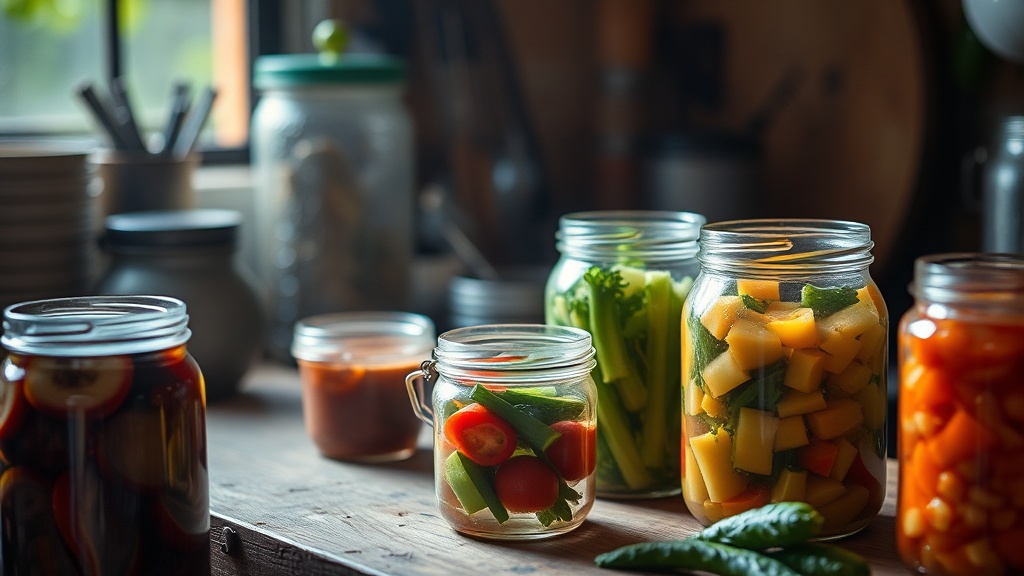
Seasonal Vegetable Preservation and Pickling Techniques

A farmer’s market stall is overflowing with vibrant purple cauliflower, bright radishes, and deep green kale, but by next Tuesday, that same stall will look significantly more sparse. This is the reality of seasonal shifts. To avoid wasting produce when it's at its peak, you need to master the art of preservation. This post breaks down the technical differences between quick pickling, fermentation, and dehydration to help you extend the life of your seasonal haul.
Preserving vegetables isn't just about making things last; it's about changing their flavor profile. A raw cucumber is one thing, but a brined, garlic-infused pickle is an entirely different culinary experience. You'll find that these techniques add much-needed acidity and texture to your plant-based meals.
What Are the Best Methods for Preserving Vegetables?
The best method depends entirely on whether you want to use heat, acid, or bacteria to transform your vegetables. There isn't a one-size-fits-all answer here because every vegetable reacts differently to salt, sugar, or temperature.
Quick Pickling (The Vinegar Method): This is the fastest way to get a tangy crunch. You essentially create a brine of vinegar, water, salt, and sugar, then pour it over vegetables. It’s perfect for things like red onions, cucumbers, or carrots. You aren't actually "canning" these for long-term shelf stability unless you follow specific pressure canning rules, so keep them in the fridge. (Most people forget this part—don't be that person.)
Lacto-Fermentation (The Salt Method): This is a much older, more traditional way to preserve food. Instead of using vinegar, you use a salt brine to encourage the growth of Lactobacillus—the "good" bacteria. This creates a sour, complex flavor and produces natural probiotics. Think of sauerkraut or kimchi. It's a slower process, but the results are much more profound in terms of depth.
Dehydration (The Air Method): If you want to save herbs, mushrooms, or even thin slices of root vegetables, dehydration is your friend. By removing moisture, you stop spoilage. It's a great way to prep ingredients for later use in stews or even as a seasoning. If you've already mastered getting the best texture from dried mushrooms, you'll find that dehydration is a skill you can apply to almost any harvest.
Here is a quick breakdown of when to use which method:
| Method | Primary Agent | Best For | Shelf Life (Unopened) |
|---|---|---|---|
| Quick Pickling | Vinegar/Acid | Onions, Radishes, Cucumbers | Weeks (Refrigerated) |
| Fermentation | Salt/Bacteria | Cabbage, Carrots, Cauliflower | Months (Refrigerated) |
| Dehydration | Air/Low Heat | Herbs, Mushrooms, Kale | Months (Pantry/Cool Dark Place) |
How Do I Prevent Mold During the Pickling Process?
Preventing mold requires maintaining a controlled environment where either high acidity or high salt concentration prevents unwanted organisms from growing. Most mold issues stem from either improper sterilization or introducing too much oxygen to the product.
First, you must ensure your jars are actually clean. I don't just mean "washed with soap." For long-term preservation, you should use a jar sterilizer or even run them through a high-heat dishwasher cycle. If you're doing a water bath, the USDA guidelines suggest specific temperatures to ensure safety. If you miss the mark on temperature, you're just making a science experiment, not a snack.
Second, keep the vegetables submerged. In fermentation, a "floating" vegetable is a mold magnet. Use a glass weight—often called a fermentation weight—to keep everything below the brine line. If the vegetable touches the air, it's game over. It’s a simple physical barrier, but it’s the most common point of failure for beginners.
Third, watch your salt ratios. In fermentation, the salt isn't just for flavor; it's a biological regulator. Too little salt, and the wrong bacteria will take over. Too much, and you'll kill the good stuff too. A standard 2% or 3% brine solution is a reliable baseline, but you should always double-check your measurements with a digital scale rather than a measuring cup. Precision matters here.
Which Tools Are Actually Worth the Investment?
You don't need a professional-grade laboratory to do this, but a few specific tools make the process much less frustrating. A kitchen full of cheap plastic tools won't serve you well when you're trying to manage pH levels.
If you're serious about vegetable preservation, I recommend looking into these specific items:
- Digital Scale: Essential for measuring salt by weight rather than volume.
- Glass Fermentation Jars: Brands like Kerr or Ball are reliable, but look for jars with an airtight lid or a specialized fermentation lid.
- pH Meter or Strips: If you want to be scientifically certain of your safety, a pH meter is a great tool to ensure your brine is acidic enough.
- Mandoline Slicer: For getting those perfectly even slices for pickling or dehydrating.
The catch? High-quality tools can be expensive. But honestly, buying a cheap, flimsy scale that gives you inconsistent readings is a waste of money in the long run. You want consistency, especially when you're working with salt ratios.
When you're preparing your vegetables, the way you cut them matters. For example, if you're making a quick-pickled carrot, a thin julienne will absorb the brine much faster than a thick chunk. This is also true for dehydration. If you're drying kale for a snack, make sure the pieces are uniform so they dry at the same rate. If some pieces are thick and some are thin, you'll end up with a batch that is half-crispy and half-rubbery.
It's also worth noting that the quality of your base ingredients affects the final result. If you're making a creamy sauce to go with your pickled vegetables, ensure your fats and acids are well-balanced. I've written about making creamy cashew-based sauces, and the same principle applies: the acidity of a pickled vegetable can cut through the richness of a cashew cream beautifully.
Don't overlook the importance of water quality. If you're using tap water that has a high chlorine content, it can actually interfere with the fermentation process. It might kill the very bacteria you're trying to cultivate. Use filtered water or spring water to be safe. It's a small detail, but it makes a massive difference in the success of your ferment.
Finally, remember that preservation is a practice. Your first batch of fermented radishes might be a little too salty, or your pickled onions might be a bit too soft. That's fine. It's part of the learning curve. Adjust your ratios, keep a notebook of what worked, and keep experimenting with the seasonal produce available to you.