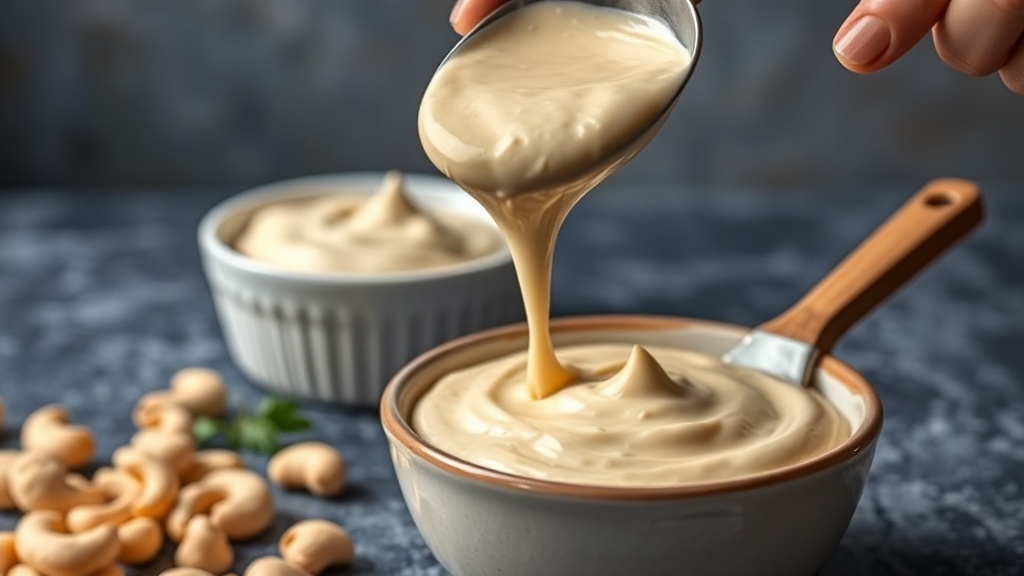
Making Creamy Cashew-Based Sauces and Cheeses at Home

A dinner party guest reaches for the pasta, only to realize the "cream" sauce is actually a thin, watery mess that separates on the plate. It’s a common frustration when trying to replicate dairy-heavy textures with plant-based ingredients. This guide covers the science and techniques of using soaked cashews to create stable, velvety sauces and thick, sliceable cheeses at home.
Cashews are the backbone of modern plant-based cooking because of their high fat content and neutral flavor profile. When you blend them with water or vegetable stock, they create an emulsion that mimics heavy cream. It’s not just about blending nuts; it’s about understanding how to manipulate texture through soaking, blending, and acidification.
Why Use Cashews for Vegan Sauces?
Cashews provide a high concentration of healthy fats and a creamy consistency that other nuts—like almonds or walnuts—struggle to match. While almonds are great for nut milks, they often feel "grainy" in a thick sauce. Cashews, on the other hand, break down into a smooth, silk-like liquid that coats the palate. This makes them the go-to choice for everything from Alfredo to cashew-based "nacho" cheese.
The secret is the starch and fat ratio. When you soak cashews, you soften the cell walls, making them much easier to pulverize in a high-speed blender. If you don't soak them, you'll likely end up with tiny white flecks in your sauce—a texture nobody wants. (I've made that mistake more than once, trust me.)
The Importance of Soaking
Soaking isn't just a suggestion; it's a requirement for a smooth finish. You can use hot water for a "quick soak" (about 30 minutes) or the traditional method of soaking in room temperature water for 4 to 8 hours. This process neutralizes phytic acid and makes the nuts much easier to digest, too.
For those who need a quick fix, a high-speed blender like a Vitamix can handle unsoaked nuts, but the texture will never quite reach that professional, velvety level. If you're serious about your kitchen game, take the extra time to soak your nuts.
How Do You Make a Creamy Cashew Sauce?
To make a creamy cashew sauce, you must blend soaked cashews with a liquid base and seasonings until the mixture is completely smooth. For a basic heavy cream replacement, use a 1:1 ratio of soaked cashew cream to water or plant milk. For thicker sauces like a Bechamel, you'll want to heat the mixture with a starch like arrowroot powder or cornstarch.
Here is a breakdown of different textures you can achieve depending on your liquid-to-nut ratio:
| Desired Texture | Ratio (Cashews : Liquid) | Best Use Case |
|---|---|---|
| Heavy Cream | 1:1 | Pasta sauces, soups, and coffee. |
| Medium Cream | 1:2 | Creamy dressings or light sauces. |
| Thick Sauce | 1:0.5 (mostly nuts) | Mac and cheese or savory gratins. |
| Cheese Sauce | 1:1 + Thickener | Nacho cheese or dipping sauces. |
When making these, don't forget the nutritional yeast. It provides that savory, "umami" hit that mimics the funk of aged cheese. If you want to deepen the flavor, a splash of lemon juice or apple cider vinegar provides the acidity that dairy usually offers through lactic acid.
If you're looking to build a pantry that supports these recipes, it's worth looking into building a versatile plant-based pantry with staples like grains and legumes to pair with your sauces. A thick cashew sauce over a hearty grain bowl is a winning combination.
How Can You Make Vegan Cashew Cheese?
Making vegan cheese requires adding a stabilizer or a thickening agent to a cashew base to achieve a sliceable or spreadable consistency. While a simple sauce is just a blend of nuts and liquid, "cheese" requires a way to hold its shape when it cools.
There are two main ways to approach this: the "quick" method and the "fermented" method.
The Quick Method: Starch-Based
This is the easiest way to make a sauce that behaves like cheese. You blend soaked cashews, nutritional yeast, garlic powder, and salt, then add a starch like arrowroot powder. You then heat the mixture in a saucepan until it thickens. The arrowroot is what gives it that slightly stretchy, gooey quality. It's perfect for a quick midweek dinner.
The Advanced Method: Fermentation-Based
If you want a real, aged-tasting cheese, you need to introduce a probiotic. This is where you use a culture like Lactobacillus to ferment the cashew cream. This process takes days, not minutes, but the result is a tangy, complex cheese that actually tastes like the real thing. This is how high-end vegan cheesemakers create their products.
For a reliable base, I always recommend sourcing high-quality nut butters or whole nuts, as the quality of your raw material dictates the final flavor. A rancid cashew will ruin a beautiful sauce, no matter how much garlic you add.
- Soak: Soak raw cashews for at least 4 hours.
- Blend: Combine with your liquids and seasonings in a high-speed blender.
- Flavor: Add nutritional yeast, salt, and acid (lemon or vinegar).
- Thicken: If making a thick cheese, add a starch and heat through.
- Set: Let the mixture cool or refrigerate to allow the texture to firm up.
One thing to keep in mind: temperature matters. If you're making a sauce to serve over hot pasta, ensure your cashew cream is warm. A cold, thick sauce can feel heavy and unappeels on a hot plate. On the flip side, if you're making a cheese spread for a cracker, you'll want to refrigerate it for at least two hours to let the fats solidify.
The nutritional profile of cashews is also a big plus. According to the Food and Agriculture Organization of the United Nations, nuts are excellent sources of various micronutrients. By making your own sauces, you're controlling exactly what goes into your body—no weird gums or artificial preservatives required.
Don't be afraid to experiment with spices. A pinch of smoked paprika can turn a plain cashew sauce into a smoky, "cheddar-style" topping. A dash of turmeric adds a beautiful golden color that looks much more appetizing than a plain white cream. It's all about the visual and the flavor profile working together.
If you find your sauce is too thick, don't panic. You can always thin it out with a bit more vegetable stock or warm water. It's much easier to thin a sauce than it is to thicken one that's already too runny. Just add liquid a tablespoon at a time to maintain control over the texture.
Steps
- 1
Soaking the Cashews
- 2
Blending for Smoothness
- 3
Seasoning and Flavoring
- 4
Setting the Texture