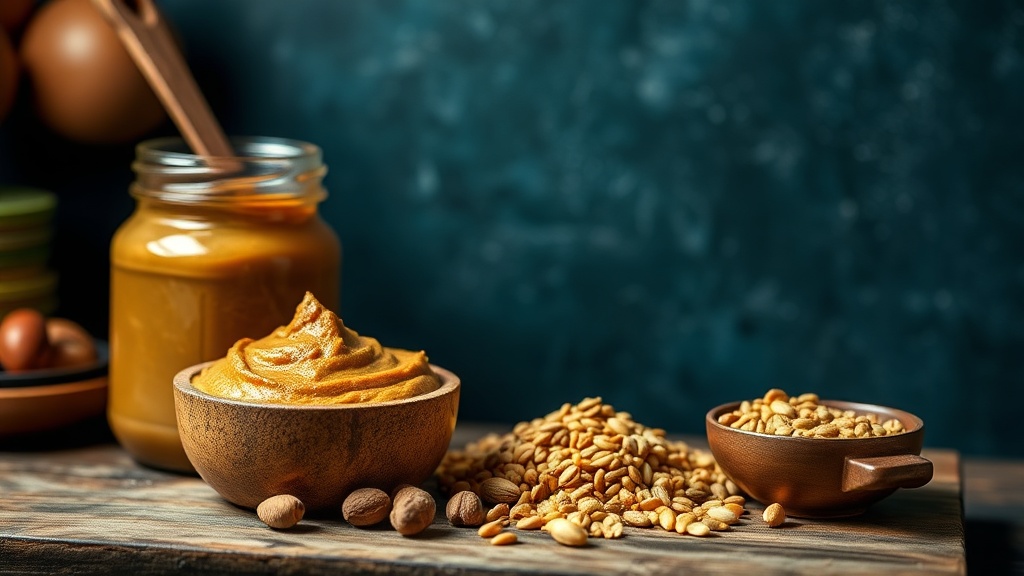
Sourcing and Storing High-Quality Nut Butters and Seed Butters

This guide explains how to identify high-quality nut and seed butters, what ingredients to look for on a label, and the best methods to store your jars to prevent rancidity. You'll learn how to differentiate between commercial blends and pure single-ingredient varieties, as well as how to manage oil separation effectively.
What Should I Look for in a High-Quality Nut Butter?
The best nut and seed butters contain only one or two ingredients, typically just the nuts or seeds themselves and perhaps a pinch of sea salt. When you check a label, you want to see a short, transparent list. If you see palm oil, hydrogenated oils, or excessive cane sugar, put it back on the shelf.
High-quality brands like ONE Less Than Zero or Wildland Organics often focus on minimal processing. You want to avoid products that use "filler" oils to create a smoother texture. While those additives make the product easier to spread right out of the jar, they often degrade the nutritional profile. Pure nut butters rely on the natural oils found within the nut itself.
Look for these specific markers of quality:
- Minimal Ingredients: Ideally, the ingredient list should be one line long (e.g., "Organic Roasted Almonds").
- No Added Oils: High-quality butters shouldn't need vegetable oil to stay spreadable.
- Natural Color: A slight color variation is normal. If a nut butter looks perfectly uniform and unnaturally pale, it might have been over-processed.
- Roast Quality: The aroma should be nutty and deep, not burnt or bitter.
If you're looking to build a pantry that supports diverse textures, you might want to look at building a versatile plant-based pantry with various whole-food staples. Nut butters are a perfect example of a shelf-stable, nutrient-dense pantry item.
How Do I Prevent Nut Butter from Going Rancid?
To prevent nut butter from going rancid, store your jars in a cool, dark place or inside the refrigerator. Oxidation is the primary cause of spoaks, and heat is the biggest enemy of stable fats. Even though many brands claim their products are shelf-stable, the natural oils in nuts are highly sensitive to light and temperature fluctuations.
The science behind this is straightforward. When fats are exposed to oxygen and light, they undergo oxidative rancidity. This results in that unpleasant, "off" smell—often described as tasting like old cardboard or paint. To keep your almond butter tasting fresh for months, follow these storage protocols:
- The Refrigerator Method: This is the gold standard for long-term storage. It slows down the oxidation process significantly.
- The Freezer Option: If you buy in bulk, you can actually freeze nut butters. Just ensure the container is airtight to prevent freezer burn.
- The "Small Batch" Rule: Only take out as much as you need. Leaving the lid off while you scoop can introduce oxygen and moisture into the jar.
- Dark Glass vs. Plastic: If possible, purchase brands that use glass jars. Glass is non-reactive and provides a better barrier against light than many clear plastics.
It's worth noting that a little bit of oil separation at the top of the jar is actually a sign of quality. It means the manufacturer hasn't added emulsifiers or stabilizers. If you see a layer of oil, don't panic—it's a good thing.
Is Nut Butter Oil Separation a Problem?
Oil separation is a natural physical process where the natural oils rise to the top of the jar, and it is not a sign of spoilage. It simply means the product is pure and lacks the chemical emulsifiers used in cheaper, mass-produced versions. This separation is common in brands like Santa Cruz Organic or Artisana Organics.
The way you handle this oil depends on how you intend to use the product. If you want a smooth, spreadable texture, you'll need to stir it back in. If you want a more stable, "no-stir" consistency, there's a trick to it.
| Method | Process | Best For... |
|---|---|---|
| The Stir Method | Stir the oil back in thoroughly with a knife or spoon. | Immediate use on toast or in smoothies. |
| The Gentle Warm Method | Place the jar in a bowl of warm water for a few minutes. | Easier mixing without making a mess. |
| The Set-and-Forget Method | Stir the oil in once, then refrigerate immediately. | Creating a thick, stable texture for long-term storage. |
When you stir the oil back in, do it vigorously. You want to incorporate that liquid back into the solids. If you don't do this, the bottom of the jar will eventually become a dry, hard paste while the top stays oily. I've found that stirring it thoroughly and then immediately putting it in the fridge helps create a much more manageable texture for future use.
For more technical details on how fats behave, you can check out resources on oxidation processes to understand why temperature control matters so much for food stability.
Which Nut or Seed Butters Have the Best Nutritional Profile?
The most nutritious nut and seed butters are those that are minimally processed and contain no added sugars or refined oils. The nutritional value depends heavily on the base ingredient, as different nuts offer different profiles of healthy fats, proteins, and micronutrients.
For example, almond butter is excellent for Vitamin E and calcium, while sunflower seed butter (often called SunButter) is a fantastic source of magnesium and selenium. If you are looking for a high-protein option, tahini (sesame seed butter) is a staple in many plant-based diets due to its high mineral content.
When choosing between varieties, keep these distinctions in mind:
- Nut Butters (Almond, Cashew, Walnut): These are often creamier and have a higher fat content. They are great for making silky textures in plant-based emulsions or sauces.
- Seed Butters (Tahini, Sunflower, Pumpkin): These tend to have a more intense, savory flavor profile and are excellent for savory-leaning dishes.
- The Sugar Factor: Many commercial "nut spreads" add significant amounts of sugar. Always opt for the versions that list only the nut and perhaps a tiny bit of salt.
A quick tip: if you find the texture of a pure nut butter too thick or heavy, you can thin it out with a little warm water or plant milk when adding it to a sauce or dressing. This helps it incorporate without the need for heavy oils.
Don't forget that the quality of your base ingredients matters. A high-quality, stone-ground nut butter will always provide a more complex flavor than a mass-produced, highly refined version. It's a small investment in your pantry that pays off in the flavor of every meal you make.