Building a Versatile Plant-Based Pantry with Whole Grains and Legumes

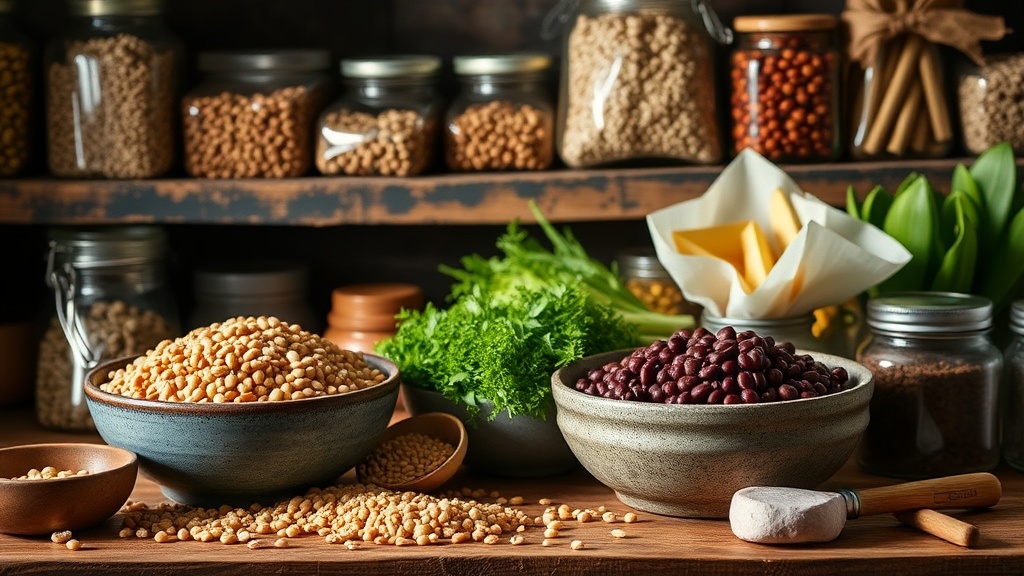
Imagine it's 6:00 PM on a Tuesday. You open your pantry, only to find a single lonely jar of peanut butter and a half-empty bag of rice. You realize you have nothing to build a real meal around. This is the reality for many people transitioning to a plant-based lifestyle—they focus so much on the "meat substitutes" that they forget the actual foundation of a good diet. This guide focuses on building a pantry centered around whole grains and legumes to ensure you always have a base for a nutritious, filling meal.
A well-stocked pantry is your insurance policy against expensive takeout and bland salads. By focusing on bulk grains and dried or canned legumes, you create a system where you can whip up a meal in twenty minutes using whatever vegetables are left in your crisper drawer. It's about moving away from processed "fake meats" and returning to the basics that have fueled human diets for millennia.
What are the best whole grains for a vegan pantry?
The best whole grains for a vegan pantry are versatile staples like quinoa, farro, brown rice, and buckwheat. These grains provide complex carbohydrates and fiber, which keep you full much longer than refined grains. If you're looking for variety, I suggest keeping at least three different types on hand at all times.
Quinoa is a standout because it's a complete protein, meaning it contains all nine essential amino acids. It cooks incredibly fast—usually in about 15 minutes—which makes it a lifesaver on busy weeknights. On the other hand, farro has a much more substantial, chewy texture that works beautifully in hearty soups or as a base for a grain bowl. It's a bit more "toothsome" than rice, which can be a nice change of pace.
Brown rice is the reliable workhorse of the grain world. It's cheap, easy to find at any grocery store, and serves as a neutral canvas for almost any flavor profile. If you want to experiment with something more niche, try buckwheat groats. Despite the name, it's gluten-free and has a deep, nutty flavor that pairs well with roasted vegetables. (Just don't expect it to taste like wheat; it's a completely different beast.)
Here is a quick breakdown of how these grains compare in terms of texture and use:
| Grain Type | Texture | Best Used For | Cook Time |
|---|---|---|---|
| Quinoa | Light, fluffy | Salads, breakfast bowls | 15 mins |
| Farro | Chewy, hearty | Soups, grain bowls | 25-30 mins |
| Brown Rice | Soft, consistent | Stir-fry, curry base | 40-45 mins |
| Buckwheat | Nutty, firm | Porridge, hearty salads | 20 mins |
Which legumes provide the most protein?
Most legumes, specifically lentils, chickpeas, and soy-based products, provide high amounts of protein and are excellent for building muscle on a plant-based diet. While people often obsess over protein powders, the real heavy lifting is done by these pantry staples. They are inexpensive, shelf-stable, and incredibly versatile.
Lentils are the undisputed champions of the quick meal. Red lentils, in particular, break down almost completely when cooked, making them perfect for thickening a dal or a stew without needing heavy creams. If you prefer something with more structure, green or French lentils hold their shape beautifully, making them ideal for Mediterranean-style salads. It's worth noting that lentils don't require soaking, which saves you a massive amount of prep time.
Chickpeas (or garbanzo beans) are another indispensable item. You can roast them for a crunchy snack, blend them into hummus, or toss them into a curry. They are incredibly forgiving in recipes. If you're looking to add a deeper, more savory element to your cooking, you might want to look into building deep flavor with plant-based umami techniques using these legumes.
Don't overlook black beans and kidney beans either. These are the backbone of many Latin American dishes and are much more filling than the highly processed "meat alternatives" you see in the frozen aisle. They offer a steady release of energy, which prevents that mid-afternoon crash often caused by more processed carbohydrates.
A quick guide to legume preparation
- Dried Legumes: Most cost-effective and best for texture. Requires soaking or long simmering.
- Canned Legumes: Fastest option for busy nights. Always rinse them thoroughly to remove excess sodium.
- Sprouted Legumes: Great for digestion and nutrient absorption. Requires a bit more effort at home.
How much does it cost to stock a plant-based pantry?
Stocking a plant-based pantry with whole grains and legumes is actually significantly cheaper than relying on processed vegan meats and cheeses. Most of these items are sold in bulk, which drives the price per serving way down. You're essentially investing in raw ingredients rather than finished products.
A five-pound bag of dried lentils or a large container of brown rice can last a single person several weeks. When you compare the cost of a bag of dried beans to a pack of high-end vegan sausages, the math is pretty clear. The initial investment might be slightly higher if you're buying many different types of grains at once, but the long-term savings are massive. It's a smart way to manage a budget while eating a high-quality diet.
The only real expense is the time. Dried beans require soaking, and whole grains like farro or brown rice take much longer to cook than white rice or pre-cooked pouches. However, you can mitigate this by cooking in batches. A large pot of quinoa or beans can be made on Sunday and used in various ways throughout the week. This is a great way to practice sautéing with water and vegetable stock to build up layers of flavor without relying on expensive oils or fats.
If you're looking for a quick win, buy a high-quality vegetable stock or even some nutritional yeast to keep on hand. These won't be part of your "bulk" grain list, but they act as the seasoning that makes these cheap staples taste like actual food. Without them, a bowl of beans and rice is just fuel; with them, it's a meal.
One thing to keep in mind is the storage aspect. Grains and dried legumes are shelf-stable, but they aren't indestructible. Keep them in airtight glass jars or heavy-duty plastic containers to prevent pests and keep them fresh. If you buy in bulk from places like bulk stores, make sure you have a system to rotate your stock so you aren't using ingredients that have been sitting for years.
When you build your pantry around these foundations, you're no longer a victim of your own hunger. You aren't scrambling for a recipe; you're simply deciding how to use the ingredients you already have. It changes the way you approach the kitchen entirely.