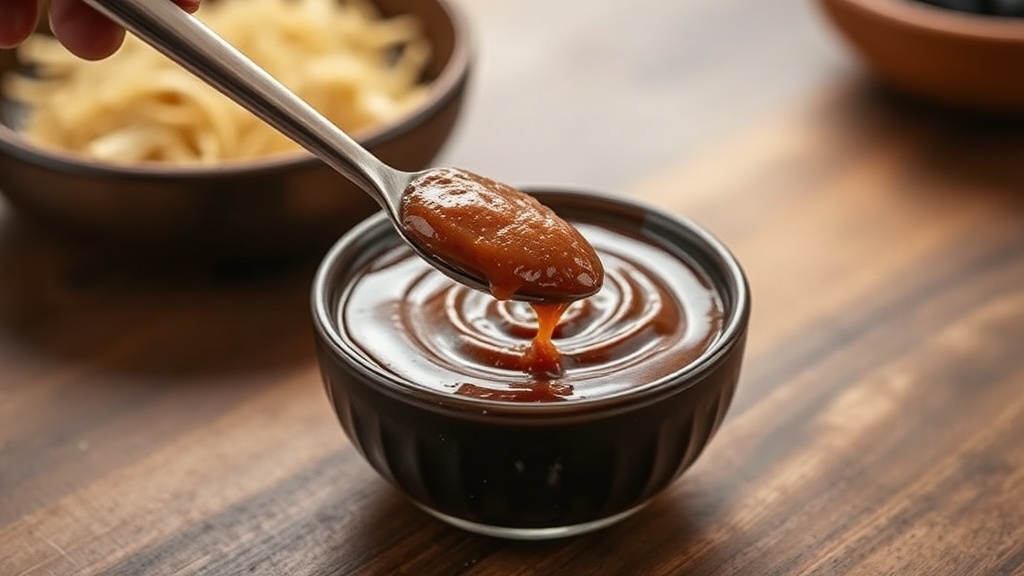
Cultivating Flavor Through Homemade Miso Paste

Many people assume that making fermented foods like miso is a high-level culinary feat reserved for professional chefs or people with dedicated fermentation labs. That's a mistake. Making your own miso at home is actually a predictable, manageable process of managing microbes and time. This post explains the science of miso fermentation, the specific ingredients you'll need, and the step-by-step method for creating your own depth of flavor at home.
Miso isn't just a condiment; it's a concentrated source of umami that can transform a basic vegetable broth into something deeply complex. When you buy a tub of miso from the grocery store, you're getting a finished product. When you make it yourself, you're controlling the grain, the legume, and the salt levels. This control allows you to experiment with different textures and flavor profiles that aren't available in mass-produced brands like Miso Master or various organic supermarket labels.
What is the difference between different types of miso?
The primary differences between types of miso lie in the ratio of soybeans to grain and the duration of the fermentation process. Generally, the longer a miso ferments, the saltier and more complex it becomes. You'll often see three main categories: white (shiro), yellow (shinshu), and red (aka) miso.
- White Miso: This is made with a high proportion of rice or barley and undergoes a shorter fermentation period. It's sweeter, milder, and works beautifully in dressings or light sauces.
- Yellow Miso: A middle-ground option that uses a balanced mix of grains and soybeans. It's a versatile workhorse for everyday cooking.
- Red Miso: This version uses more soybeans and undergoes a much longer fermentation process. It's much saltier and has a deep, pungent profile that can stand up to heavy ingredients.
If you're looking to add a punch of savory flavor to your dishes, understanding these distinctions helps you choose the right tool for the job. For instance, if you're working on adding umami to your plant-based cooking, a red miso will provide a much more intense-hitting sensation than a white variety. It's all about the intensity of the seasoning.
How much salt do I need for homemade miso?
You need a salt concentration of roughly 10% to 13% of the total weight of your ingredients to ensure a safe fermentation environment. This salt level is what prevents "bad" bacteria from taking over while allowing the beneficial Aspergillus oryzae (koji mold) to thrive. If you use too little salt, your paste might spoil or become overly runny; if you use too much, the fermentation will stall entirely.
Let's look at a standard ratio for a small batch of homemade miso. It's a good idea to use a digital scale for this. Volume measurements (like cups or spoons) are far too imprecise for fermentation.
| Ingredient | Weight (Grams) | Role in the Process |
|---|---|---|
| Cooked Soybeans | 500g | The protein base |
| Koji Rice (Rice infused with Koji) | 500g | The enzyme source |
| Sea Salt (Unrefined) | 100g - 125g | The preservative |
Using a high-quality sea salt or even a mineral-rich salt like Himalayan pink salt can add a subtle mineral complexity. Just make sure it's pure. You don't want any anti-caking agents or additives interfering with the microbes. (I've seen people use iodized table salt, but it's better to avoid it here.)
The Essential Equipment
You don't need a specialized lab, but you do need a few specific items to succeed. A heavy ceramic crock or a glass jar is your best bet. Avoid plastic if possible, as the high salt content and long fermentation time can sometimes react with lower-grade containers. You'll also need a way to create an airtight seal. A piece of parchment paper or a thin plastic sheet to cover the surface before putting the lid on is a smart move to prevent mold from growing on the surface.
How long does it take to ferment miso?
Fermentation time can range from three months to several years depending on the type of miso you are aiming to create. While you can technically eat "young" miso after a few weeks, it won't have the depth or the texture of aged varieties. Most home cooks find that a three-to-six-month window is the "sweet spot" for a reliable, tasty batch.
The temperature of your storage area matters immensely. A cool, dark corner of your kitchen or a cellar is ideal. You want a stable environment. Drastic temperature swings can disrupt the development of the enzymes. If the environment is too cold, the fermentation might stall; if it's too warm, it might go too fast and become overly acidic. It's a delicate balance.
During this time, you might see some bubbles or a slight change in color. This is normal. However, if you see fuzzy mold that looks like it's growing *out* of the paste (rather than just a thin layer of white film on top), something has gone wrong. This usually happens because of oxygen exposure. Keep that surface covered and the lid tight.
The Step-by-Step Process
- Prepare the Soybeans: Soak your dried soybeans overnight. Boil them until they are soft enough to be easily mashed between two fingers. This is vital—if they are even slightly firm, the texture of your miso will be gritty.
- Incorporate the Koji: Once the beans are cooked and drained, mash them into a paste. Mix in your koji rice. The koji provides the enzymes that break down the proteins and starches into amino acids and sugars.
- Add the Salt: Sprinkle the salt over the mixture. Mix it thoroughly until the texture is uniform. This is the part where you ensure every bit of the paste is salted.
- Pack the Jar: This is the most important part. Press the mixture into your jar with force. You want to eliminate as many air pockets as possible. Air is the enemy of a good ferment.
- Seal and Wait: Place a layer of parchment over the top, then seal the lid. Store it in a cool, dark place.
It's tempting to peek too often. Resist that urge. The more you disturb the jar, the more oxygen you introduce. Just let it do its thing. The patience you put in now is what pays off in the flavor later.
When you're ready to use your miso, you'll find it has a much more nuanced profile than the pre-made versions. It's a great way to build a foundation for other recipes. For instance, once you've mastered the basics of fermentation, you might want to try more complex textures in your cooking, such as making flaky plant-based pastry, where you can use different fats and binders to achieve specific results. Miso can even be used to add depth to savory fillings.
The beauty of this process is the customization. If you want a more "nutty" miso, you could experiment with adding toasted buckwheat or even crushed walnuts to the mix. If you want a sweeter profile, increase the ratio of rice to soybeans. This isn't just a recipe; it's a framework for understanding how flavors develop over time.
One thing to keep in mind: the salt you choose affects the final result. Using a high-quality, unrefined salt ensures that you aren't introducing chemicals that could disrupt the natural microbial activity. It's a small detail, but in fermentation, the small details are everything.
As you become more comfortable with the rhythm of fermentation, you'll realize that the kitchen is essentially a living laboratory. You're not just cooking; you're managing a biological process. It's a shift in mindset from "following a recipe" to "nurturing an environment."