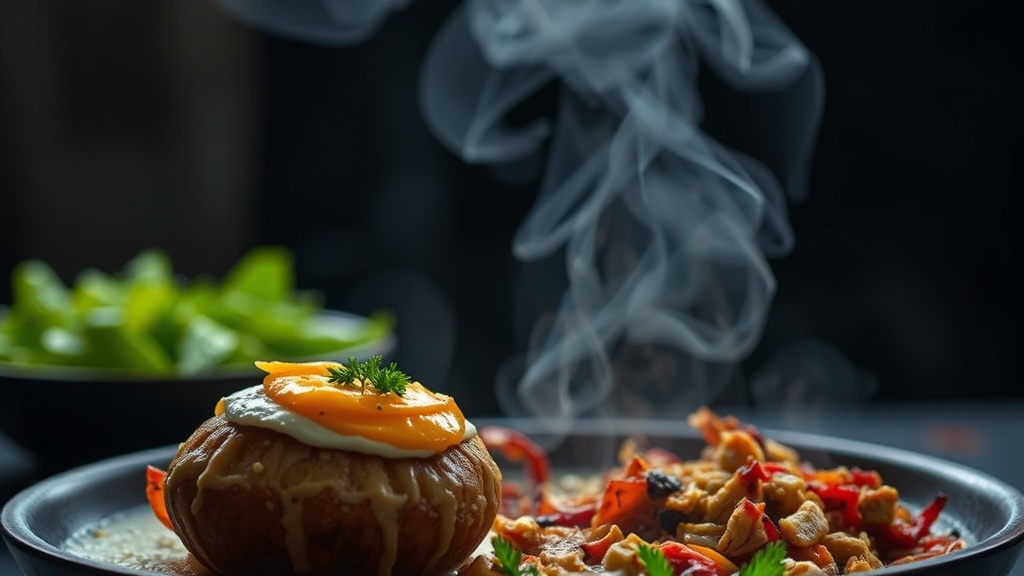
7 Umami Bombs to Elevate Your Plant Based Cooking

Nutritional Yeast for Cheesy Depth
Miso Paste for Fermented Complexity
Dried Mushrooms for Earthy Richness
Soy Sauce and Tamari for Salty Savory Notes
Tomato Paste for Concentrated Sweetness
Seaweed and Nori for Ocean Umami
Smoked Paprika for a Deep Charred Flavor
The heavy, savory scent of a simmering pot of dark mushroom broth fills a kitchen, hitting the back of the throat with a satisfying weight. It isn't just salt or spice; it's that deep, lingering sensation that makes a meal feel substantial. This is the magic of umami, the fifth taste, and it's often the missing piece in plant-based cooking. This post breaks down seven specific ingredients that pack a massive punch of savory depth to help you move past bland tofu and uninspired vegetables.
Most people think a lack of flavor in vegan food comes from a lack of salt. Usually, it's actually a lack of glutamate. Glutamate is the amino acid responsible for that savory "meatiness" we often crave. When you learn to manipulate these ingredients, your cooking transforms from light and thin to rich and deeply satisfying.
What is the Best Way to Add Umami to Vegan Food?
The best way to add umami to vegan food is by incorporating fermented ingredients, dried fungi, or aged plant-based products that are naturally high in glutamates. While salt adds a sharp hit to the tongue, umami provides a long-lasting, savory sensation that lingers in the mouth. You can achieve this through a variety of methods, ranging from adding a splash of liquid to incorporating textural elements.
Think of these ingredients as your secret weapons. If a sauce tastes "thin" or lacks a certain "oomph," you don't necessarily need more salt—you need more depth. It’s the difference between a watery vegetable soup and a rich, hearty stew. I’ve spent a lot of time in my kitchen in Vancouver testing how these additions change the profile of even the simplest dishes.
1. Miso Paste
Miso is a fermented soybean paste that offers a massive hit of savory complexity. It can be white (milder), yellow, or red (stronger and more intense). I personally reach for red miso when I want to add a heavy, salty backbone to a soup or a braised dish. It’s a fermented powerhouse that adds both flavor and a subtle funkiness that mimics aged cheeses.
You can whisk a spoonful into a salad dressing or stir it into a warm sauce at the very end of cooking. Just be careful not to boil it vigorously for too long, as high heat can kill the delicate probiotics and dull the flavor profile. It’s a perfect companion for a bowl of ramen or even a simple roasted vegetable glaze.
2. Nutritional Yeast
Often called "nooch" in the vegan community, nutritional yeast is a staple for a reason. It provides a nutty, cheesy flavor that works well in many textures. It isn't just a seasoning; it's a building block for savory sauces. If you’ve ever tried making your own creamy cashew ricotta at home, you know how much a savory component can change a texture.
It works beautifully as a seasoning for popcorn, but its real strength lies in being blended into sauces. It adds a subtle, savory depth to vegan mac and cheese or even a simple cashew cream. It’s cheap, shelf-stable, and incredibly versatile.
3. Dried Mushrooms
Dried mushrooms are essentially concentrated flavor bombs. When you rehydrate them, you aren't just getting a texture; you're getting a concentrated essence of the earth. Porcini or Shiitake are my go-to choices. The liquid used to soak them is liquid gold—never throw it away!
Use the soaking liquid as a base for a risotto or a gravy. It adds a layer of complexity that fresh mushrooms simply can't reach on their own. It's a much more intense experience than using fresh varieties alone. This is a technique I use whenever I'm making comfort meals that actually satisfy.
4. Soy Sauce or Liquid Aminos
Soy sauce is a classic for a reason. It provides salt, color, and a deep, fermented savoriness. If you want a slightly cleaner taste, liquid aminos or coconut aminos are great alternatives. They offer that same dark, rich profile but with slightly different nuances in saltiness and sweetness.
A splash of soy sauce in a vegetable stir-fry or a marinade can make a world of difference. It helps bridge the gap between the vegetables and the grain, creating a cohesive dish. It’s a simple way to add a "meaty" quality to plant-based proteins like tempeh or tofu.
5. Tomato Paste
Concentrated tomato paste is a powerhouse of glutamates. While we often think of tomatoes as acidic, a highly concentrated paste is deeply savory. This is why a good Bolognese or marinara relies so heavily on a well-cooked tomato base.
The trick is to "fry" the paste in oil before adding your liquids. This caramelizes the sugars and deepens the savory profile. It’s a technique used in many professional kitchens to build a foundation for sauces. It’s not just about acidity; it’s about building a base of flavor that lasts.
6. Seaweed (Nori or Kombu)
Seaweed is one of the highest natural sources of glutamate. In Japanese cuisine, Kombu is often used to create dashi, the foundational broth for many dishes. It provides a clean, oceanic, yet deeply savory sensation that is hard to replicate with other ingredients.
You can add a piece of dried kombu to a pot of beans while they simmer, or use crumbled nori as a topping for avocado toast. It adds a subtle, briny depth that makes the dish feel more "complete." It’s a way to introduce ocean-inspired richness without using fish products.
7. Miso-Glazed or Fermented Veggies
Fermentation is the ultimate way to unlock umami. Whether it's kimchi, fermented pickles, or even a well-aged cabbage, the process of breaking down sugars into amino acids creates that deep, complex flavor. This is the same principle behind fermenting your own plant-based dairy alternatives.
Adding a bit of fermented funk to a meal—like a spoonful of kimchi to a grain bowl—can instantly wake up a dish that feels a bit flat. It provides a bright, sharp, and savory contrast to more neutral ingredients.
Comparing Common Umami Boosters
Not all umami sources are created equal. Depending on the texture and flavor profile you want to achieve, you'll need to choose the right one. Here is a quick guide to help you decide which to use in your kitchen.
| Ingredient | Primary Flavor Note | Best Use Case | Texture Impact |
|---|---|---|---|
| Miso Paste | Fermented/Salty | Soups, Dressings, Marinades | Smooth/Creamy |
| Nutritional Yeast | Nutty/Cheesy | Toppings, Sauces, Pasta | Powdery/Granular |
| Dried Mushrooms | Earthy/Woody | Stews, Broths, Risottos | Chewy/Textural |
| Soy Sauce | Salty/Savory | Stir-fries, Marinades | Liquid/Thin |
| Tomato Paste | Sweet/Acidic | Pasta Sauces, Braises | Thick/Pasty |
The choice depends on whether you want the ingredient to be a visible part of the texture or a hidden background player. For example, if you're making a sauce, a liquid like soy sauce is better than a textured one like dried mushrooms. If you're looking for a topping, nutritional yeast or seaweed flakes are much more effective.
It's worth noting that many of these ingredients are quite salty. When you add miso, soy sauce, or tomato paste, you should reduce the amount of plain salt you use in the recipe. You don't want to overdo it and end up with a dish that is unpleasantly salty rather than just deeply savory. Balance is everything.
I've found that the most successful plant-based meals use a combination of these. A soup might use a base of dried mushroom broth, a splash of soy sauce for salt, and a finishing touch of nutritional yeast for a nutty finish. That layering is what creates a professional-level flavor profile. It's about building layers, not just adding one thing and calling it a day.
Don't be afraid to experiment. If a dish feels like it's "missing something," try a tiny amount of one of these first. You'll quickly learn which one provides the specific type of depth you're looking for. It takes a bit of practice, but once you get the hang of it, your cooking will never be the same.