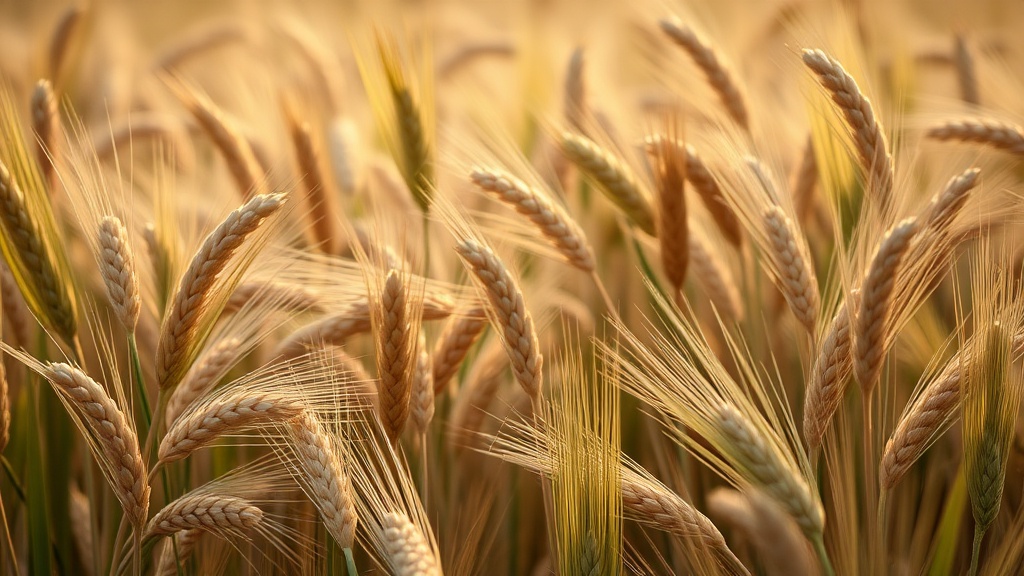
Ancient Grain Varieties for Every Season

Nutty Farro for Hearty Salads
Protein-Rich Amaranth for Porridge
Textured Sorghum for Grain Bowls
Ancient Spelt for Baking Success
Earthy Teff for Nutrient-Dense Smoothies
Imagine standing in the bulk aisle of a grocery store, staring at a wall of unlabeled bins containing everything from tiny beads to dark, heavy seeds. Most people default to white rice or pasta because it's easy, but you're missing out on a massive range of textures and nutrients. This guide breaks down specific ancient grains—like farro, amaranth, and teff—and matches them to the seasonal produce and weather patterns of the year. Choosing the right grain isn't just about flavor; it's about how the grain interacts with the temperature and weight of your ingredients.
What Are Ancient Grains?
Ancient grains are cereal crops that have remained largely unchanged by human engineering and cross-breeding for thousands of years. Unlike modern wheat, which is often highly processed to increase yield, these grains retain their original nutritional density and structural integrity. They offer a much higher concentration of fiber and minerals. You'll find them in everything from hearty grain bowls to thick, porridge-like breakfasts.
When you shop for these, you'll notice they often come in various forms—whole, pearled, or even sprouted. It's a good idea to check the labels carefully. If you want to understand the nutritional breakdown of these crops, the Wikipedia entry on ancient grains provides a deep dive into their history and botanical origins.
Which Grains Work Best in Spring?
Light, nutty grains like quinoa and amaranth are the best choices for spring because they pair well with the bright, acidic flavors of new vegetables. As the weather warms up in Vancouver, you want something that won't weigh you down. Spring is all about rebirth and lightness.
During this season, you're likely using more asparagus, peas, and radishes. A light dusting of toasted amaranth adds a subtle crunch to a spring salad without the heavy feel of a dense grain. It’s almost like adding a nutritional "sprinkle" to your meal.
- Amaranth: Tiny, light, and perfect for breakfast porridges.
- Quinoa: Highly versatile and absorbs light vinaigrettes beautifully.
- Wild Rice: Provides a slight crunch that complements tender spring greens.
If you're looking to expand your kitchen staples, you should consider building a versatile plant-based pantry to ensure you always have these on hand. It makes a huge difference when you're cooking on a whim.
What Grains Should I Use in Summer?
Lightweight, quick-cooking grains like couscous (though technically a pasta, it functions similarly in grain salads) and buckwheat are ideal for summer heat. You want dishes that can be served cold or at room temperature. Nobody wants a heavy, steaming bowl of hot grain during a July heatwave.
Buckwheat, despite its name, is gluten-free and has a distinct earthy flavor. It works incredibly well in chilled salads with cucumbers and mint. The texture is satisfying but doesn't feel like a "heavy" meal. It’s the perfect companion for a summer peach and tomato salad.
One thing to note: buckwheat can be quite earthy. If you're new to it, start by mixing it with something more neutral like quinoa to balance the profile. It’s a learning curve, but the texture is worth it.
How Do I Use Grains in Autumn?
As the temperature drops, move toward grains with more substantial textures and deeper flavors, such as farro and barley. These grains have a chewy, satisfying bite that holds up against the roasted root vegetables and heavier sauces of the fall season. They provide a sense of warmth and satiety that lighter grains simply can't match.
Farro is a standout here. It's a type of ancient wheat that has a wonderful, nutty chew. When you sauté it with sage and mushrooms, it becomes the star of the dish. It’s much more substantial than a standard rice or quinoa-based bowl.
"The chew of a well-cooked farro provides a structural foundation for autumn-inspired vegetable dishes."
If you find yourself making a lot of hearty grain bowls in the fall, you might want to check out how to use herbs to enhance those flavors. Nurturing your indoor herb garden can provide the fresh thyme or rosemary you'll need to season these heavier grains.
What Are the Best Grains for Winter?
Winter calls for the densest, most comforting grains available, specifically spelt and rye. These grains are incredibly hearty and can stand up to long simmering times or even being baked into crusty breads. They are the "comfort food" of the grain world.
Spelt is a cousin to modern wheat but has a much richer, more complex flavor profile. It’s excellent in thick stews or as a base for a heavy, savory porridge. When the wind is blowing outside, a bowl of warm spelt with roasted squash and toasted seeds is exactly what you need.
| Season | Recommended Grain | Best Texture Pairing | Common Accompaniment |
|---|---|---|---|
| Spring | Amarand / Quinoa | Light & Airy | Radishes, Peas, Lemon |
| Summer | Buckwheat / Millet | Nutty & Crisp | Cucumber, Mint, Stone Fruit |
| Autumn | Farro / Barley | Chewy & Substantial | Roasted Root Veg, Mushrooms |
| Winter | Spelt / Rye | Dense & Hearty | Squash, Stews, Warm Spices |
Rye is another heavy hitter. It’s often used in breads, but using rye-based products or even rye berries in a slow-cooked soup adds a deep, malty dimension that feels very much in tune with the season. It’s much more filling than a standard grain.
How Much Do Ancient Grains Cost?
Generally, you'll pay a premium for ancient grains compared to standard white rice or corn. The cost varies significantly based on whether you are buying from a local organic grocer or a large-scale distributor. Expect to pay anywhere from $4 to $9 per pound for higher-quality, organic varieties like farro or amaranth.
Buying in bulk is the smartest way to save. Most health food stores or specialized grain retailers offer much better prices if you buy the larger bags. Since these grains have a relatively long shelf life if stored properly in airtight containers, it's a worthwhile investment for your pantry. Just keep them in a cool, dry place to prevent any moisture from ruining the texture.
One thing to keep in mind: some of these grains, like teff or amaranth, are very small. You might find yourself using much less volume than you would with rice, which actually makes the cost-per-serving much more reasonable than it looks on the price tag. A little goes a long way.
If you're looking for ways to add more depth to these grains, you might enjoy exploring building deep flavor with plant-based umami. Using fermented elements or savory sauces can transform a simple bowl of grains into something truly remarkable.