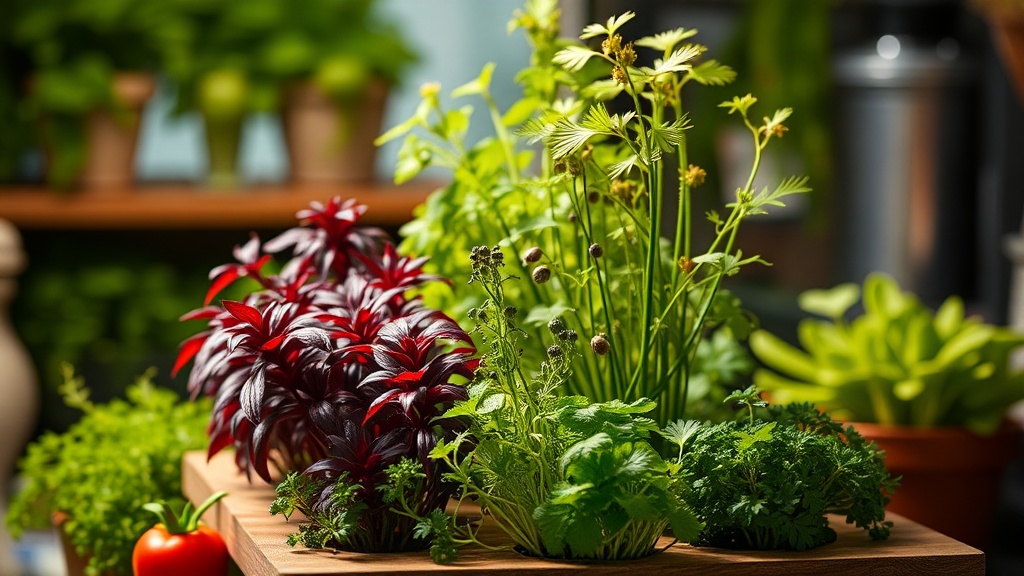
Nurturing Your Indoor Herb Garden for Fresh Kitchen Flavors

Ever wondered why that store-bought basil looks wilted and lacks that punchy, aromatic scent compared to the fresh stuff? This guide breaks down exactly how to set up, maintain, and harvest a productive indoor herb garden to keep your kitchen stocked with high-quality seasonings. We'll look at lighting requirements, soil management, and the specific needs of different herb varieties so you can stop relying on plastic-wrapped bundles from the supermarket.
What Are the Best Herbs for Indoor Growing?
The best herbs for indoor growing are those that adapt well to container life and can handle slightly less sunlight than their outdoor counterparts. Basil, mint, chives, and parsley are your top contenders because they are relatively forgiving in a kitchen environment.
If you have a sunny windowsill, basil is a great choice, but it's a bit of a diva when it comes to water consistency. It wants moist soil, not soggy feet. Mint, on the other hand, is almost too successful (it can actually become invasive in a garden, so keeping it in a pot is a smart move). Chives are incredibly hardy and don't require much fuss—just a little bit of light and regular snipping.
When you're starting out, don't try to grow everything at once. Pick two or three that you actually use in your daily cooking. If you love making savory dishes, start with thyme and rosemary. If you're more into garnishing soups or making fresh pesto, stick to basil and cilantro.
It's worth noting that herbs like rosemary and thyme prefer a bit more drainage and slightly drier soil than mint or basil. If you treat them all the same, you'll likely end up with mushy roots.
| Herb Type | Light Needs | Watering Frequency | Best Use |
|---|---|---|---|
| Basil | High (6+ hours) | Frequent (keep moist) | Pesto, Caprese, Pasta |
| Mint | Moderate | High (don't dry out) | Tea, Cocktails, Salads |
| Chives | Moderate | Regular | Garnish, Potatoes, Omelets |
| Parsley | Moderate/Low | Regular | Soups, Garnish, Tabbouleh |
How Much Light Do Indoor Herbs Actually Need?
Most culinary herbs require at least six hours of direct sunlight per day to produce the essential oils that give them flavor. If your kitchen windows don't get much sun, you'll need to supplement with artificial lighting to prevent your plants from becoming "leggy" or weak.
A common mistake is assuming a bright room is enough. A bright room isn't necessarily a sunny room. If you can't see a sharp shadow from your hand on the windowsill, the light is likely too weak for basil or rosemary.
I highly recommend looking into LED grow lights if you live in a place like Vancouver where the winters are long and gray. You don't need a massive setup—even a small, clip-on light from a brand like Target or a specialized hydroponic kit can make a massive difference. These lights provide the specific light spectrum plants need to photosynthesize effectively.
If you notice your herbs are growing very tall and thin, they are literally stretching toward the light. This is a clear sign they need more intensity or a longer light cycle. You might want to rotate your pots every few days so the plants don't lean too heavily in one direction.
How Do You Prevent Overwatering and Root Rot?
The most effective way to prevent overwatering is to check the soil moisture with your finger before adding more water. If the top inch of soil feels damp, leave it alone; if it's dry, it's time to water.
Drainage is the absolute most important factor here. If you're using those cute ceramic pots you see in boutiques, make sure they have a hole at the bottom. Without a drainage hole, water sits at the bottom of the pot, drowns the roots, and leads to rot.
I've seen so many people kill their herbs by being "too helpful." They see a plant and think, "Oh, it looks thirsty, I'll give it a drink every single morning." That's a recipe for disaster. Most herbs prefer to dry out slightly between waterings rather than sitting in a swamp.
Using a high-quality potting mix is also a good idea. Avoid using garden soil from your backyard; it's too heavy and won't drain well in a container. Look for a dedicated "potting mix" rather than "topsoil." According to the USDA, proper soil composition is vital for plant health and nutrient uptake.
If you find yourself struggling with water management, you might consider a hydroponic system. It takes the guesswork out of it, but it's a bit more of an investment upfront.
How Should You Harvest Herbs for Maximum Growth?
To harvest correctly, always clip from the top of the plant and never more than one-third of the total foliage at one time. This ensures the plant has enough energy to continue growing and recovering after you've taken a bit for your meal.
Don't just pull off the bottom leaves. If you do that, you're stripping the plant of its structural integrity. Instead, snip the stem just above a set of leaves. This encourages the plant to branch out, making it bushier and more productive.
Here's the thing: if you don't harvest your herbs regularly, they'll start to flower. Once an herb flowers, the leaves often become bitter and less flavorful. This is especially true for basil and cilantro. When you see those little flower buds forming, start snipping them off immediately to keep the plant in its "leafy" stage.
A few tips for harvesting:
- Use sharp shears: Dull scissors can crush the stem, making it harder for the plant to heal.
- Harvest in the morning: This is when the essential oil concentration is usually at its peak.
- Don't be afraid: A little regular pruning actually helps the plant grow stronger.
Regularly harvesting your herbs also keeps your kitchen stocked with fresh flavors for your plant-based cooking. Whether you're adding a bit of fresh parsley to a hearty lentil soup or using basil to brighten up a pasta dish, the difference in taste is night and day. If you're interested in building deeper flavors in your cooking, you might also enjoy reading about building deep flavor with plant-based umami.
It's a small habit that pays off. Once you start using herbs you've grown yourself, the store-bought stuff just won't taste the same. It's a little bit of work, but the control you have over the quality of your ingredients is well worth the effort.