Elevating Plant-Based Umami with Fermented Ingredients

A bowl of steamed vegetables and plain brown rice sits on a table, looking perfectly healthy but utterly lifeless. There's no depth to the flavor, no lingering richness on the palate, and after three bites, the appetite vanishes. This is the common pitfall of plant-based cooking: a lack of depth. To fix this, you need to understand umami—the savory fifth taste—and how to unlock it through fermentation. This guide focuses on using fermented ingredients to add that missing depth and savory weight to your vegan meals.
What is Umami and Why Does It Matter?
Umami is the savory sensation caused by glutamate, a specific amino acid that signals a rich, meaty flavor to your brain. While meat and cheese are natural powerhouses of this sensation, plant-based cooks often struggle to replicate that heavy, satisfying mouthfeel. Fermentation is the secret weapon here because the process of breaking down proteins into amino acids naturally increases the glutamate content of your food.
Think of it as a way to trick your palate into feeling a sense of fullness. When you use ingredients like miso or nutritional yeast, you aren't just adding salt; you're adding a complex layer of savory depth. It's the difference between a thin, watery soup and a rich, velvety broth. (It's also why people find it so hard to stop eating certain savory snacks.)
The science of umami shows that when you combine different sources of glutamate, you get a synergistic effect. This means a little bit of fermented soy paired with a bit of dried mushroom creates a much stronger flavor impact than either one could achieve alone. It’s a mathematical equation for deliciousness.
Which Fermented Ingredients Provide the Most Savory Flavor?
Miso paste, tempeh, and nutritional yeast are the heavy hitters for adding savory depth to plant-based dishes. Each of these brings a different profile to the table. If you want a salty, fermented punch, go for miso. If you want a nutty, hearty texture, reach for tempeh. If you want a cheesy, savory topping, use nutritional yeast.
Here is a breakdown of how these ingredients function in a kitchen:
| Ingredient | Flavor Profile | Best Use Case |
|---|---|---|
| Miso Paste | Salty, earthy, slightly sweet | Soups, dressings, and glazing vegetables |
| Tempeh | Nutty, fermented, dense | Main protein source for stir-fries or grain bowls |
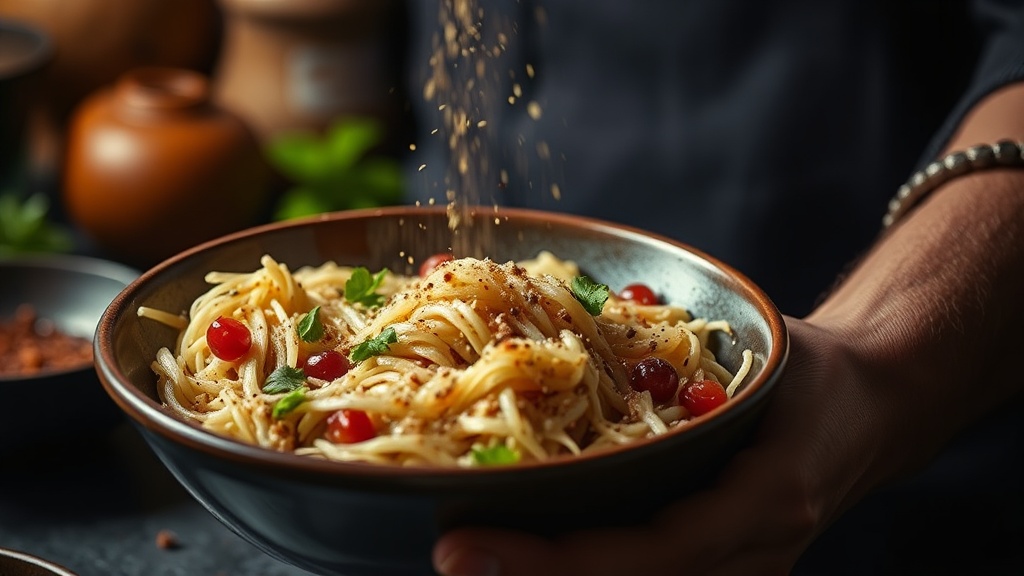
| Nutritional Yeast | Cheesy, nutty, toasted | Sprinkling over popcorn, pasta, or roasted veggies |
| Tamari | Deeply salty, fermented soy | Finishing sauces and marinades |
| Kimchi (Vegan) | Spicy, acidic, pungent | Topping for rice bowls or grain salads |
One thing to keep in mind: check your labels. Many traditional fermented products, like certain brands of kimchi, might use fish sauce or shrimp paste. If you're strictly vegan, look for brands like The Kimchi Co. or similar labels that guarantee no animal derivatives. It's a small detail, but it matters.
How to Use Miso in Everyday Cooking
Miso works best when added toward the end of the cooking process or used as a base for a liquid. If you boil miso for a long time, you'll destroy the delicate enzymes and lose that nuanced flavor profile. Instead, whisk a tablespoon of White Miso or Red Miso into a small amount of warm water first to create a slurry, then stir it into your soup or sauce. This prevents clumping and ensures a smooth texture.
White miso (Shiro Miso) is milder and slightly sweeter, making it great for creamy dressings. Red or brown miso is much more intense and better suited for hearty stews or heavy marinades. It's a versatile tool that can change the entire identity of a dish.
How to Incorporate Tempeh for Texture and Depth
Tempeh is a fermented soy product that offers a much more substantial bite than tofu. Because it's fermented, it has a natural tang that cuts through heavy sauces. To get the best results, try slicing it thin and pan-searing it until the edges are crispy. This creates a textural contrast that makes a meal feel more "complete."
If you're looking to improve your meal prep efficiency, you might want to look into streamlining your plant-powered kitchen to ensure you always have these staples ready to go. Having a batch of cooked, seasoned tempeh in the fridge can save a hectic Tuesday night.
How Can I Build Layers of Flavor Without Using Animal Products?
Build layers by combining a fermented ingredient with a high-acid ingredient and a high-umami vegetable. For example, a dish featuring fermented miso (umami), a splash of apple cider vinegar (acid), and roasted mushrooms (umami) will feel much more complex than a dish using just one of those elements. This layering is what creates a "rounded" taste profile.
Here is a simple method for building a savory base for any meal:
- Start with a base: Sauté aromatics like onions, garlic, or ginger.
- Add the Umami: Add your fermented element. This could be a spoonful of miso, a splash of tamari, or even a dollop of nutritional yeast.
- Add Texture: Incorporate something with a bit of "bite," like roasted nuts or toasted seeds.
- Balance with Acid: Finish the dish with a squeeze of lemon or a dash of fermented hot sauce to brighten the heavy, savory notes.
It's a simple process, but it changes everything. If you've ever struggled with making your sauces feel "thin" or "weak," the lack of a fermented element is usually the culprit. You aren't just seasoning the food; you're building a foundation.
When working with mushrooms, remember that they are a massive source of natural umami. If you want to get the absolute most out of them, I highly recommend reading up on getting the best texture from dried mushrooms. Using dried varieties alongside fermented soy creates a massive flavor punch that stays with you. It's not just about the taste—it's about the lingering sensation on the tongue.
Don't be afraid to experiment with "funky" smells. A good fermented sauce or a well-aged miso might smell quite strong in the jar, but once it hits the heat of a pan, those smells transform into deep, delicious flavors. The smell is often the first thing that scares people away from fermented foods, but don't let that stop you. The reward is worth the initial hesitation.
The goal isn't just to eat a meal that satisfies hunger, but to eat a meal that satisfies the palate. By integrating these fermented tools, you move beyond basic nutrition and into the realm of truly satisfying, high-flavor cooking. It's a small shift in how you view your pantry, but it's a massive shift in how your food actually tastes.