Sautéing with Water and Vegetable Stock

Quick Tip
Use small splashes of liquid and high heat to prevent sticking while building flavor.
Stop relying on oil for every sauté.
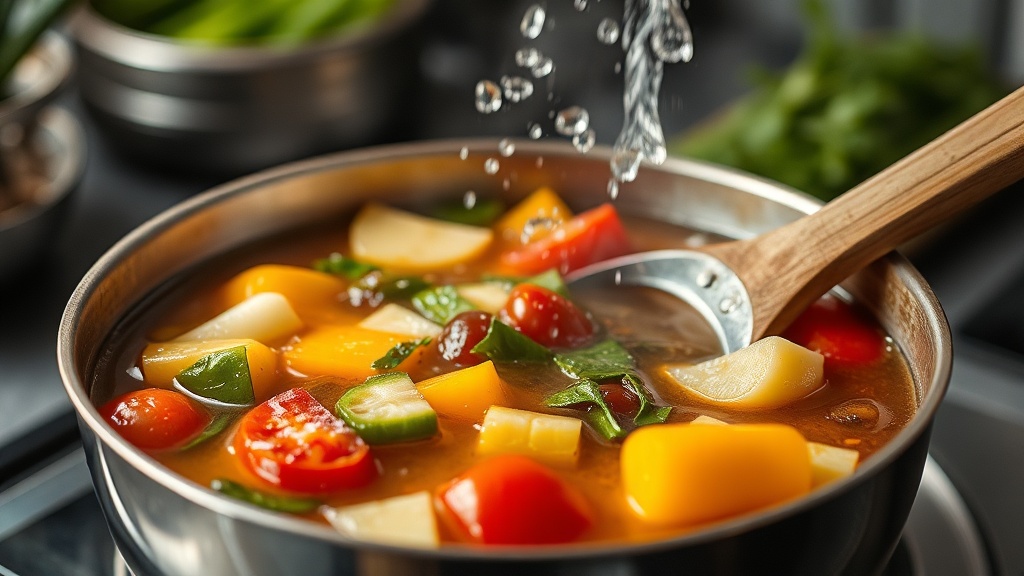
Most people think you need a tablespoon of oil or butter to prevent sticking, but that's a myth. Sautéing with water or vegetable stock—a technique often called "water sautéing"—is a highly effective way to cook vegetables without adding unnecessary fats. It keeps your meals lighter and helps you control the nutritional profile of your food.
It's a simple switch that makes a huge difference in how you approach daily meal prep. You aren't just "boiling" the food; you're using small amounts of liquid to transfer heat and prevent sticking.
How much liquid should I use for sautéing?
You only need about 1 to 2 tablespoons of liquid at a time to prevent sticking. Start with a small amount of water or a flavorful liquid like vegetable stock. If the pan looks dry or the vegetables start to stick to the bottom, add another splash of liquid immediately.
The goal is to keep the pan moist, not to turn your pan into a soup. I usually keep a small jar of organic vegetable broth nearby while I work. It's much more efficient than running back to the sink every two minutes.
Here is a quick guide on which liquids work best for different cooking goals:
| Liquid Type | Best Used For... | Flavor Impact |
|---|---|---|
| Plain Water | Neutral vegetables (broccoli, cauliflower) | None |
| Vegetable Stock | Building deep flavor in savory dishes | Savory/Umami |
| Soy Sauce/Tamari | Asian-inspired stir-fries | Salty/Savory |
| Apple Cider Vinegar | Adding brightness to hearty greens | Tart/Acidic |
Can I use stock instead of water?
Yes, using vegetable stock is actually a better way to build layers of flavor. While water is neutral, a high-quality stock adds depth to the dish as the liquid reduces. If you want to learn more about maximizing flavor without fats, check out my post on flavorful vegan cooking without added oil.
One thing to watch out for: if you use a salty stock (like some versions of vegetable-based products), you'll need to adjust your salt levels at the end. You don't want to over-salt your meal by accident. It's a common mistake even for experienced cooks.
What is the best way to prevent sticking?
Use a non-stick pan or a well-seasoned cast iron skillet to make the process easier. The key is to add the liquid as soon as the vegetables start to brown or stick to the pan. This prevents the "burnt" smell and keeps the texture of your vegetables tender rather than charred.
If you're working with arom much like garlic or onions, sauté them in a tiny bit of stock first. It works perfectly. Just don't let the pan get too hot before adding the liquid, or you'll face a sudden cloud of steam (and a bit of a shock to the senses).