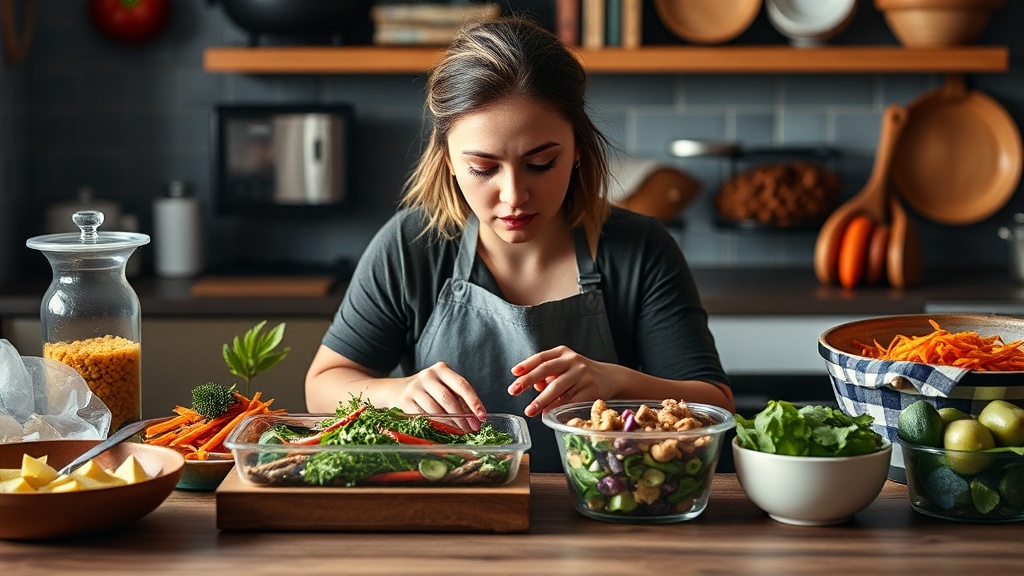
The Busy Home Cook's Guide to Weekly Vegan Meal Prep

This guide covers a complete system for prepping five days of plant-based breakfasts, lunches, and dinners in under three hours. For busy home cooks juggling work, family, and everything in between, having ready-to-eat vegan meals waiting in the fridge means fewer last-minute takeout orders, less money spent on convenience foods, and more energy to actually enjoy dinner when the evening finally slows down. You won't find rigid meal plans here—just a flexible framework that works with whatever vegetables, grains, and proteins happen to be on sale at Trader Joe's or Whole Foods this week.
How Do You Meal Prep Vegan Food for a Week?
The fastest approach is to batch-cook three core components—grains, proteins, and vegetables—then mix and match them into meals throughout the week. Here's the thing: you don't need to assemble five identical containers of the same sad salad. Instead, cook a big pot of quinoa or brown rice, roast two sheet pans of seasonal vegetables, and prepare two different protein sources. That gives you enough variety to build bowls, wraps, and stir-fries without starting from scratch every single night.
Start by picking a prep day—Sunday afternoon works for most schedules, but Wednesday evening is just as valid if that fits your week. Wash and chop all your vegetables first (this is called mise en place, and it's a habit that saves serious time once it becomes automatic). While the oven preheats to 425°F, toss chopped sweet potatoes, broccoli, and red onions with olive oil, salt, and smoked paprika. Slide those onto sheet pans. At the same time, get your grains going on the stovetop or in an Instant Pot Duo—white rice takes 4 minutes under pressure, while dried black beans take about 25 minutes with no soaking required.
That said, not everything should be cooked in advance. Avocados will brown. Cut apples oxidize unless tossed in lemon juice. Fresh herbs wilt faster once chopped. The trick is to prep the sturdy stuff ahead and leave the delicate ingredients for the day you're actually eating. Keep a small container of washed spinach or arugula separate, and add it right before reheating so it doesn't turn into a slimy mess by Thursday.
What Are the Best Vegan Proteins for Meal Prep?
The best options are lentils, chickpeas, firm tofu, tempeh, and seitan because they hold their texture for five days and reheat without turning mushy. Lentils cook in about 20 minutes and absorb whatever spices you throw at them—curry powder, cumin, or a simple bay leaf and garlic combo. Chickpeas (canned or dried) are incredibly versatile: roast them with chili powder for a crunchy topping, mash them into a salad with vegan mayo, or blend them into a silky hummus that keeps for a full week.
Firm tofu and tempeh both benefit from a quick press and marinade. A soy-ginger-garlic mixture works beautifully, and both proteins can be baked or pan-fried in under 15 minutes. Once cooked, store them in airtight Pyrex glass containers or Rubbermaid Brilliance containers with the sauce on the side if possible—this keeps the texture firmer for longer. If you're using store-bought seitan, it usually comes pre-cooked, so slicing it and tossing it with barbecue sauce or teriyaki is all you need to do.
For a quick reference, here's how the top plant-based proteins compare for weekly prep:
| Protein | Cook Time | Fridge Life | Best Uses |
|---|---|---|---|
| Green or brown lentils | 20–25 min | 5 days | Bowls, soups, shepherd's pie |
| Firm tofu (pressed) | 15–20 min | 4–5 days | Stir-fries, scrambles, sandwiches |
| Tempeh | 10–15 min | 5 days | Grain bowls, tacos, crumbled into pasta |
| Chickpeas (canned) | 0 min (or 30 min roasted) | 5 days | Salads, hummus, curries |
| Black beans (dried) | 25 min (pressure cooked) | 5 days | Burritos, soups, Latin-style bowls |
The catch? Some mock meats—like Beyond Meat breakfast sausages or Gardein beefless tips—can be part of a prep routine, but they're best cooked the day you eat them. Pre-cooking and refrigerating them often leads to a rubbery texture that even the best sauce can't fix. If you do want to include them, keep the packages frozen and thaw a portion the night before instead.
How Long Does Vegan Meal Prep Last in the Fridge?
Most cooked vegan meals stay fresh and safe to eat for four to five days when stored at 40°F or below in airtight containers. Grains like rice and quinoa last the full five days without losing much quality. Cooked beans and lentils easily make it to day five, sometimes even day six if they were cooled properly before refrigerating. Roasted vegetables generally peak around day three or four—after that, they soften and lose their roasted edges, though they're still perfectly edible.
Worth noting: soups and stews often taste better on day two or three after the flavors have had time to mingle. A big pot of tomato-lentil soup or coconut curry chickpea stew can carry you through the workweek with minimal effort. Just cool the soup completely before portioning it into containers, or condensation will make everything soggy and shorten the shelf life.
If you're prepping for a full seven days, freeze half. Meals with rice, beans, tofu, and most vegetables freeze well for up to three months. The exceptions? Potato-based dishes can get grainy, and raw vegetables in salads will turn to mush after thawing. Invest in freezer-safe glass containers or reusable silicone bags like Stasher bags—they stack neatly and don't leach chemicals into your food.
What Kitchen Gear Makes Vegan Meal Prep Easier?
You don't need a commercial kitchen, but a few smart tools cut prep time significantly. A solid chef's knife (the Victorinox Fibrox Pro 8-inch is a budget favorite among both home cooks and professionals) makes chopping vegetables faster and safer than struggling with a dull blade. A rice cooker or Instant Pot handles grains and beans hands-free while you work on other tasks. And good storage containers—glass over plastic, with locking lids—keep food fresher and prevent leaks in your work bag.
Here's a breakdown of gear that delivers the best return on investment for weekly vegan prep:
| Item | Why It Helps | Price Range |
|---|---|---|
| Instant Pot Duo 6-Quart | Cooks beans, grains, and stews without monitoring | $80–$100 |
| Victorinox Fibrox Pro Chef's Knife | Sharp, lightweight, easy to maintain | $40–$50 |
| Pyrex 18-Piece Glass Storage Set | Oven-safe, microwave-safe, no staining or smells | $30–$40 |
| Stasher Reusable Silicone Bags | Great for freezing soups and marinated tofu | $10–$20 each |
| Sheet Pans (Nordic Ware half-sheet) | Even roasting for large batches of vegetables | $15–$25 |
A high-speed blender—like a Vitamix or Nutribullet—isn't strictly necessary, but it's incredibly useful for making creamy dressings, cashew-based sauces, and hummus in minutes. A good dressing transforms plain grains and vegetables into something you'll actually want to eat on Thursday night when your motivation is running low.
A Sample 5-Day Prep Menu
This menu is designed for one person and takes about two and a half hours to complete. It provides breakfast, lunch, and dinner with enough variety to prevent the dreaded midweek meal burnout.
Breakfast: Overnight oats in Mason jars—combine rolled oats, chia seeds, Silk unsweetened almond milk, maple syrup, and a dollop of peanut butter. In the morning, top with fresh berries or sliced banana. Make five jars on Sunday and grab one each day.
Lunch: Mediterranean grain bowls. Base of cooked quinoa, topped with roasted zucchini and bell peppers, marinated chickpeas, cucumber slices, kalamata olives, and a lemon-tahini dressing. Pack the dressing in a small separate container so the bowl stays crisp.
Dinner: Two options. Option A is a smoky tofu stir-fry with brown rice and sesame-ginger broccoli. Option B is a hearty lentil bolognese over whole wheat pasta. Cook both proteins and both sauces, but store them separately from the starches until you're ready to reheat. This prevents the rice from soaking up all the sauce and turning gummy.
For snacks, prep carrot sticks, homemade hummus, and a batch of Bragg nutritional yeast-dusted popcorn. Having something crunchy and savory on hand prevents the 3 p.m. vending machine trip.
Common Meal Prep Mistakes (and How to Avoid Them)
Even experienced home cooks run into pitfalls. One of the biggest is overcomplicating the menu. If you're making five different recipes from scratch every Sunday, you'll burn out before Wednesday hits. Stick to a simple formula: two grain options, two proteins, three vegetables, and one or two sauces. Simplicity is what makes this system sustainable.
Another mistake? Storing hot food in containers and sealing them immediately. Steam gets trapped, creating a breeding ground for bacteria and turning crispy vegetables into a soggy mess. Let food cool to room temperature—about 30 minutes—before refrigerating. If you're in a hurry, spread the food out on a sheet pan so it cools faster, then transfer it to containers.
Finally, don't forget about micronutrient balance. A bowl of plain rice and steamed broccoli is technically vegan, but it's not going to keep you full or energized through a long afternoon. Every meal should include a protein source, a healthy fat (avocado, tahini, nuts, or olive oil), and plenty of fiber-rich vegetables. The Physicians Committee for Responsible Medicine offers excellent free resources for building nutritionally complete plant-based plates that support long-term health.
Weekly vegan meal prep doesn't have to mean eating the exact same thing every single day. With a little strategy, the right tools, and a few focused hours on the weekend, you can build a fridge full of meals that taste great, save money, and keep you fueled through even the busiest weeks.