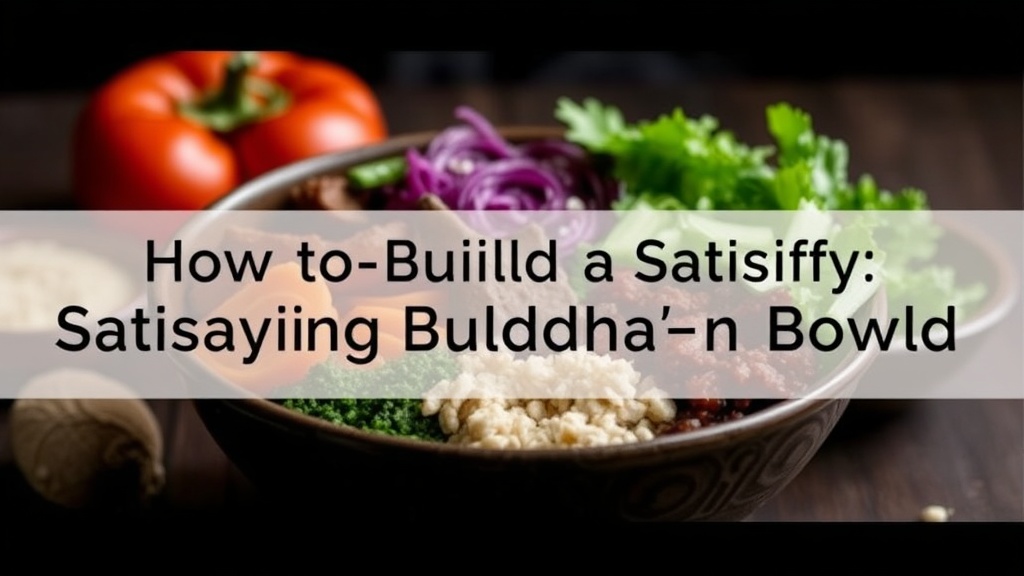
How to Build a Satisfying Vegan Buddha Bowl from Scratch
This post walks through the exact steps for building a vegan Buddha bowl that hits every nutritional note without feeling like rabbit food. You'll learn how to layer grains, proteins, vegetables, and sauces into a bowl that keeps hunger at bay for hours. Whether lunch prep feels like a chore or dinner needs a reset, this guide delivers a repeatable system — no fancy equipment required.
What exactly is a Buddha bowl?
A Buddha bowl is simply a single-serving meal packed into a bowl with an emphasis on balance. The name comes from the rounded, overstuffed appearance — like a Buddha's belly — though the exact origin is debated. Think of it as a grain-based salad with warm elements, cold crunch, and a punchy sauce tying everything together.
Traditional versions aren't always vegan, but the format lends itself perfectly to plant-based eating. You start with a starchy base, add a protein source, pile on colorful vegetables, and finish with a dressing that brings fat and acid. The result? A meal that's photogenic, nutritionally complete, and genuinely satisfying.
What ingredients do you need for a balanced vegan Buddha bowl?
You'll need five distinct components: a grain base, a protein source, raw or roasted vegetables, a healthy fat, and a flavorful sauce. Skip one, and the bowl falls flat — either in taste or in how long it keeps you full.
The grain base provides complex carbohydrates and fiber. Brown rice, quinoa, farro, and soba noodles all work well. For protein, think tofu, tempeh, lentils, chickpeas, or edamame. A 2016 position paper from the Academy of Nutrition and Dietetics confirms that well-planned vegan diets can meet all protein needs when variety is emphasized.
Vegetables add volume, micronutrients, and texture. Roasted sweet potato brings caramelized depth. Shredded purple cabbage adds crunch. Cherry tomatoes offer acid. Cucumber cools things down. The key is contrast — hot next to cold, soft next to crisp.
Healthy fats come from tahini, avocado, hemp seeds, or a drizzle of olive oil. Don't skimp here. Fat slows digestion and helps absorb fat-soluble vitamins like A, D, E, and K. Finally, the sauce ties it all together. A bland Buddha bowl is almost always underdressed.
Which grain base should you choose?
The best grain depends on prep time, texture preference, and whether the bowl will be eaten warm or cold. Here's how the most common options compare:
| Grain | Cook Time | Texture | Best For |
|---|---|---|---|
| Short-grain brown rice | 45 min | Chewy, hearty | Warm dinner bowls |
| Quinoa | 15 min | Light, fluffy | Meal prep lunches |
| Farro | 30 min | Nutty, firm | Mediterranean flavors |
| Soba noodles | 4 min | Slippery, springy | Asian-inspired dressings |
Quinoa is the darling of meal-preppers for good reason — it cooks fast and holds up for five days in the fridge. That said, brown rice delivers a more substantial chew that stands up to roasted vegetables and thick tahini dressings. For something different, Lotus Foods makes excellent organic forbidden rice that adds dramatic color and a slightly sweet finish.
How do you build a Buddha bowl that actually fills you up?
The secret isn't piling on more lettuce — it's hitting the satiety trifecta of fiber, protein, and fat. A bowl without enough protein will leave you raiding the pantry by 3 p.m. Aim for at least 20 grams of plant protein per serving.
Start by warming the grain and protein. A Buddha bowl doesn't need to be hot, but room-temperature or warm components feel more like a meal than a salad. Pan-seared tofu (pressed first with a TofuBud or heavy books) develops a golden crust that transforms the texture. Tempeh, crumbled and sautéed with tamari and smoked paprika, mimics the savory depth of bacon bits. Chickpeas roasted at 425°F with cumin and coriander turn crunchy on the outside and creamy within.
Layer strategically. Place grains at the bottom — they anchor the bowl. Add protein in one section, not scattered everywhere. Group vegetables by color for visual appeal (and because it just looks better in photos). Tuck avocado slices against the bowl's edge. Drizzle sauce last, or serve it on the side if packing for lunch.
Here's the thing: portion size matters more than people admit. A satisfying Buddha bowl should be roughly 3 to 4 cups in total volume. Less than that, and it's a side dish. More than that, and you're eating out of a mixing bowl.
What sauces work best for vegan Buddha bowls?
The sauce is where personality lives. A great dressing can rescue even a mediocre combination of ingredients — and a bad one can ruin perfect produce.
Tahini-lemon is the classic workhorse. Whisk together tahini (Soom Foods makes an exceptionally smooth variety), fresh lemon juice, minced garlic, water, and a pinch of salt. It thickens as it sits, so thin it with water before serving. The emulsification breaks if it gets too cold, so let it sit at room temperature for ten minutes if refrigerated.
For something brighter, try a ginger-miso dressing. Blend white miso, rice vinegar, fresh ginger, maple syrup, and toasted sesame oil. It pairs beautifully with edamame, shredded carrot, and soba noodles. Peanut-lime brings heat and richness — combine natural peanut butter, lime juice, soy sauce, sriracha, and warm water. This one clings to hearty grains like farro and brown rice.
Store-bought options exist too. Trader Joe's Green Goddess Dressing is vegan and herbaceous. Mother Raw's Japanese Dressing delivers umami without refined sugar. The catch? Homemade sauces cost a fraction of the price and avoid hidden preservatives.
Can you meal prep Buddha bowls for the whole week?
Yes — with one major caveat. Store components separately, then assemble the day of eating. Grains and proteins last 4 to 5 days in airtight containers. Pre-chopped raw vegetables stay crisp for 3 to 4 days if dried thoroughly. Sauces keep for up to a week in glass jars.
Here's a practical prep method. Cook two grains on Sunday. Roast two sheet pans of vegetables — say, broccoli and sweet potato. Prep one protein, like baked teriyaki tofu. Wash and spin-dry greens and crunchy vegetables. Make one versatile sauce. During the week, mix and match combinations so no two bowls feel identical.
Mason jars work well for portable lunches, but only if you layer correctly. Dressing goes on the bottom. Sturdy vegetables (cabbage, carrots) sit in the dressing. Grains and protein come next. Leafy greens stay dry at the top. Dump everything into a bowl at lunchtime, and the dressing coats the ingredients naturally.
Worth noting: some ingredients don't prep well. Avocado browns within hours. Sliced tomatoes get mealy. Crispy roasted chickpeas soften in the fridge. Add these just before eating.
Where can you find inspiration for new flavor combinations?
Ethnic cuisines are the best starting point. Mexican-inspired bowls use black beans, corn, salsa, and chipotle-lime cashew cream. Mediterranean versions lean on chickpeas, cucumber, tomato, olives, and lemon-herb tahini. Korean-style bowls feature gochujang-roasted cauliflower, pickled daikon, and sesame spinach.
Travel within Vancouver offers plenty of local inspiration. The Buddha bowls at Heirloom Vegetarian on South Granville Street layer roasted local squash, pickled vegetables, and house-made cashew ranch. AnnaLena on West 1st Avenue serves a refined grain bowl that proves this format belongs in fine dining too. Studying restaurant menus — then reverse-engineering at home — is one of the fastest ways to expand your repertoire.
Online resources help too. The Forks Over Knives recipe database features hundreds of whole-food, plant-based bowl ideas with full nutritional breakdowns. Instagram accounts like @minimalistbaker and @rainbowplantlife post weekly variations that keep the format feeling fresh.
Building a vegan Buddha bowl from scratch isn't about perfection. It's about creating a reliable template that adapts to what's in the fridge, what's in season, and what sounds good. Start with a chewy grain, add a hefty protein, pile on vegetables with contrasting textures, and finish with a bold sauce. Do that, and lunch becomes something to look forward to — not just another chore to check off the list.
Steps
- 1
Cook your grain base and prep the vegetables
- 2
Season and roast your plant-based protein
- 3
Assemble the bowl and drizzle with dressing