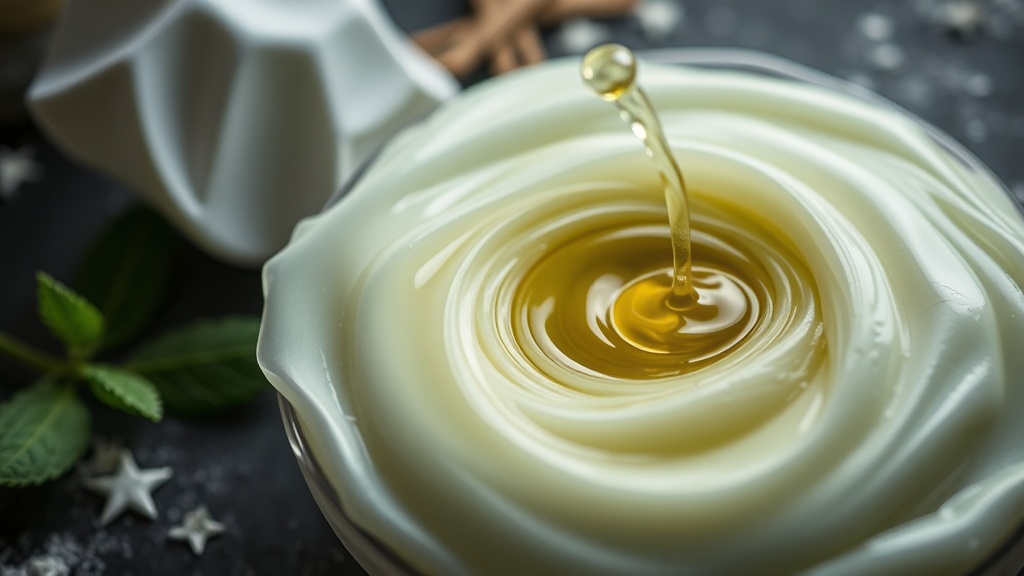
Creating Silky Textures with Plant-Based Emulsions

A heavy copper pot sits on a hot induction burner, swirling a thick, pale sauce that catches the light. There is no egg yolk in sight, yet the liquid moves with a heavy, velvet-like weight. This is the physics of an emulsion—the art of forcing two liquids that hate each other, like oil and water, to behave like a single, cohesive unit. This guide breaks down the science of plant-based emulsions, focusing on the stabilizers and techniques required to achieve professional-grade silkiness in vegan sauces, dressings, and creams.
What are the best plant-based emulsifiers?
The best plant-based emulsifiers are substances like lecithin, mustard, and certain starches that act as a bridge between fat and water. In a traditional kitchen, you might rely on egg yolks for a Hollandaise, but in a vegan kitchen, we look to the botanical world. Soy lecithin is perhaps the most common tool—it's a phospholipid that sits at the interface of oil and water to prevent separation.
If you're making a creamy vinaigrette, a teaspoon of Dijon mustard provides much more than just a sharp flavor. It provides the mucilage needed to keep your oil and vinegar from splitting the moment you stop whisking. It’s a tiny, structural trick that makes a huge difference in mouthfeel.
Here are the heavy hitters you should keep in your pantry:
- Soy or Sunflower Lecithin: Ideal for light, airy foams or ultra-stable dressings.
- Aquafaba: The liquid from a can of chickpeas (like those from Kikkoman or any generic brand) acts as a protein-rich binder.
- Tahini: A high-fat seed paste that creates a natural, thick emulsion when mixed with lemon juice.
- Xanthan Gum: A powerhouse stabilizer used in tiny amounts to prevent water from settling.
I once tried to make a cashew-based cream without any stabilizers, and it ended up looking like a grainy, separated mess. It was a disaster. Now, I always ensure I have a stabilizer ready to go.
How do you prevent a vegan sauce from breaking?
To prevent a sauce from breaking, you must introduce the fat into the liquid very slowly while maintaining constant mechanical agitation. Breaking occurs when the droplets of oil become too large and coalesce, causing the sauce to separate into a greasy layer and a watery layer. You can prevent this by using a high-speed blender or a whisk to ensure the oil droplets remain microscopic.
Temperature is another factor. If you're making a warm sauce, like a vegan béchamel, adding cold oil to a hot liquid too fast will cause immediate separation. It’s a common mistake. Keep your temperatures consistent.
When working with starches, remember that heat is your friend. A starch-based emulsion requires a specific temperature range to "activate" the thickening properties. If you don't reach the right heat, the sauce will be thin and eventually turn into a puddle of water. This is why emulsification is as much about temperature as it is about mixing.
If you've already mastered the art of building deep flavors, you might find that a broken sauce ruins the profile of your meal. A broken sauce doesn't just look bad—it tastes greasy and unappealing. It's a textural failure that can overshadow even the best spices.
The Role of Mechanical Force
You can't just stir a sauce and hope for the best. You need energy. A hand whisk is great for light dressings, but for a truly heavy, stable emulsion, a high-speed blender or an immersion blender is non-negotiable. The blades create the sheer force necessary to break the oil into microscopic beads.
Think of it like this: the more energy you put into the system, the smaller the droplets. Smaller droplets mean a more stable sauce. It’s pure physics. If you're using an immersion blender, keep the head submerged to avoid whipping too much air into the mixture, unless you're specifically aiming for a mousse-like texture.
Can you make a creamy texture without using oil?
Yes, you can create a creamy texture without much added oil by utilizing starches, legumes, or high-fiber vegetables to mimic the sensation of fat. This is a frequent technique in high-end plant-based cooking where the goal is a lighter, cleaner finish. Instead of relying on a heavy oil emulsion, you are building a texture through hydration and starch gelatinization.
For example, blending cooked cauliflower or white beans into a soup creates a "creamy" texture without the heavy caloric load of heavy cream. It's a clever way to achieve a luxurious mouthfeel using whole-food ingredients. It's also a great way to practice cooking without a drop of added oil while still keeping the dish satisfying.
| Technique | Primary Ingredient | Best Used For | Texture Result |
|---|---|---|---|
| Starch Gelatinization | Potato or Cornstarch | Gravies and Soups | Silky and Viscous |
| Protein Emulsion | Aquafaba | Meringues and Mousses | Light and Airy |
| Nut/Seed Emulsion | Cashews or Tahini | Creamy Sauces | Heavy and Rich |
| Gum Stabilization | Xanthan Gum | Salad Dressings | Stable and Smooth
I often use the starch method when I want a clean, neutral base. If I'm making a vegetable-heavy dish, I'll use the starch from the vegetables themselves to thicken the sauce. It's more efficient and keeps the flavors pure.
The Difference Between Emulsions and Suspensions
It's easy to get these confused. An emulsion is a mixture of two liquids that are normally immiscible (like oil and water). A suspension is a mixture where solid particles are dispersed throughout a liquid (like flour in water). If your sauce feels "gritty," you've made a poor suspension. If it feels "greasy," your emulsion has broken.
To get that perfect, professional finish, you want to aim for a stable emulsion. This means the oil is so finely dispersed that the human tongue can't even detect the individual droplets. It just feels like a smooth, continuous liquid.
Common Mistakes in Plant-Based Emulsions
The most frequent error is adding the oil too quickly. If you pour a stream of oil into your base without enough agitation, the emulsion will never form. It's like trying to build a house on sand; without a solid foundation, the whole thing collapses. Start with a single drop at a time if you have to. It's tedious, but it works.
Another mistake is ignoring the acidity. In many vegan sauces, the acid (like lemon juice or apple cider vinegar) isn't just for flavor. It helps stabilize the protein or starch structures. If your sauce is too thick or "tight," a splash of acid can actually help loosen it up and integrate the components more effectively.
Lastly, don't forget about the salt. Salt isn't just a seasoning; it's a functional ingredient. It affects how molecules interact. In some cases, it can help strengthen the bonds in an emulsion, making the final texture more cohesive.
If you find yourself struggling with a sauce that won't come together, don't panic. You can often "rescue" a broken sauce by starting a new emulsion in a clean bowl with a small amount of your base, and then slowly whisking the broken mixture into the new one. It's a bit of a process, but it saves a lot of wasted ingredients.
Texture is often the difference between a "home cook" meal and a "chef-prepared" meal. Mastering these small, scientific details is how you move from simply making food to creating experiences. It takes practice, but once you understand the mechanics of how plant fats and liquids interact, you'll never look at a bottle of oil the same way again.