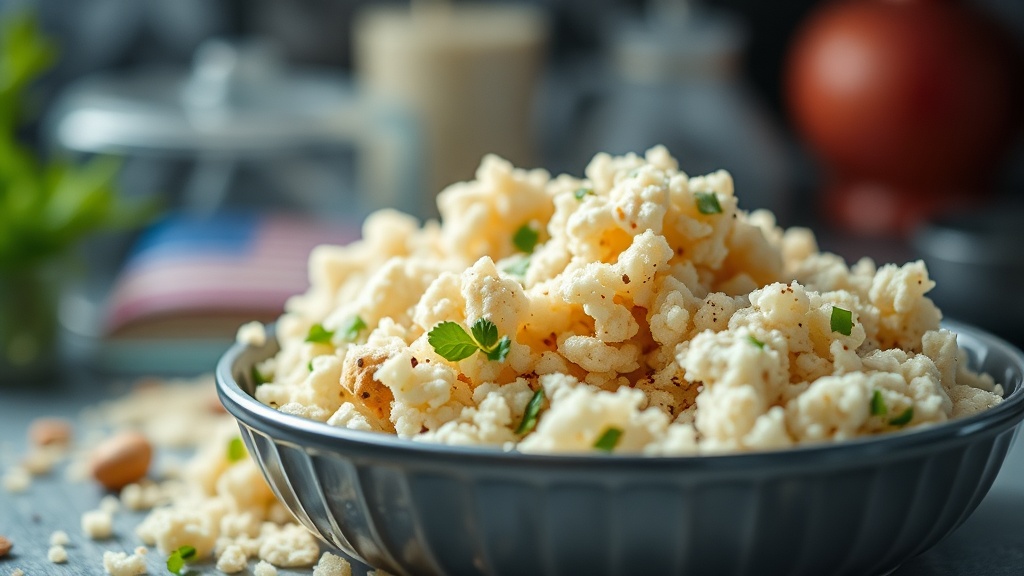
Building Better Texture in Plant-Based Proteins

Creating Satisfying Texture in Plant-Based Cooking
You sit down to a bowl of lentils or a slab of tofu, and while the flavor is fine, the mouthfeel feels thin, mushy, or—worst of all—uninspiring. You aren't alone. One of the biggest hurdles in vegan cooking isn't the seasoning; it's the structural integrity of the food. If you're working with ingredients like tempeh, seitan, or mushrooms, you aren't just looking for a taste profile—you're looking for a bite that provides resistance against the teeth. This post covers how to manipulate heat, moisture, and physical structure to avoid that dreaded 'mushy' texture in your daily meals.
Texture is often a matter of physics. When we cook vegetables or proteins, we are essentially managing water content and surface area. A piece of tofu that hasn't been pressed is a sponge full of water; it'll steam rather than sear. A mushroom that's cooked too quickly in a pan becomes rubbery. To get things right, you have to understand how to drive out moisture and build up a crust. Whether you're making a hearty stew or a quick stir-fry, the way you handle your ingredients before they even hit the pan dictates the final result.
How do I stop tofu from being mushy?
Tofu is the most common culprit for texture issues in a vegan kitchen. The problem is usually high water content. If you buy the standard "soft" or "silken" varieties, they're meant for puddings or sauces, not for searing. For a meal that requires a bite, you need extra-firm or super-firm varieties. But even with the right block, you shouldn't just throw it in the pan. You need to press it.
Pressing is a simple way to remove excess water. Wrap your tofu block in a clean kitchen towel or several layers of paper towels, place it on a plate, and put a heavy object—like a cast-iron skillet or a heavy cookbook—on top for at least 30 minutes. This forces the water out, leaving room for fats and seasonings to actually penetrate the protein. If you want even more structure, try coating the pieces in cornstarch or arrowroot powder before frying. This creates a thin, crisp barrier that holds up against sauces without turning into a soggy mess. For more detailed information on protein-rich plant sources, you can check out the Healthline profiles on tofu.
The Role of Temperature and Surface Area
If you're working with mushrooms, the goal is often to achieve a meaty, chewy texture. Mushrooms are mostly water, and if you crowd the pan, they'll boil in their own juices. Instead, use a wide pan and cook them in batches. This allows the steam to escape. If you want a deeper, more substantial texture, try the "dry sauté" method: cook the mushrooms in a dry pan first until they release their moisture and shrink, then add your fats (like oil or vegan butter) and aromatics. This concentrates the flavor and creates a much more satisfying bite.
Can I make my seitan feel more like meat?
Seitan—often called wheat gluten—is a powerhouse of texture, but it can easily become either too rubbery or too soft depending on how you prepare it. The key is in the kneading and the cooking method. If you're making it from scratch using Vital Wheat Gluten, the amount of kneading you do determines the toughness of the final product. More kneading means more gluten development, which leads to a firmer, more "meaty" texture.
When cooking pre-made seitan, try high-heat methods. A quick sear in a hot pan with a bit of oil can create a crust that provides a necessary contrast to the chewy interior. If you find your seitan is too chewy, try simmering it in a flavored broth before pan-frying. This softens the exterior while maintaining the structural integrity. For a look at how different proteins behave under heat, the Britannica entry on gluten provides some great background on the biological structure of these proteins.
Layering Textures in One Dish
A great meal isn't just one texture; it's a combination. A bowl of soft, creamy grains is much better when it has a crunchy element to break it up. Think about adding toasted seeds, crispy fried onions, or even raw, thinly sliced radishes to your warm bowls. This variety keeps the palate engaged. If your dish is entirely soft, it will feel heavy and unfulgent. A bit of crunch or a "snap" can make a vegan meal feel much more professional and complete.
- The Crunch Factor: Always keep a jar of toasted nuts or seeds nearby to add a finishing touch to soft-textured meals.
- The Crispy Layer: Use cornstarch or nutritional yeast to create a crust on proteins before cooking.
- The Moisture Balance: If a dish is too dry, add a sauce; if it's too wet, increase the heat to reduce the liquid.
When you're preparing your meal, think about the ratio of soft to firm. If you're making a hearty stew, perhaps you'll want to add some crispy roasted chickpeas on top right before serving to provide that much-needed textural contrast. It's a small detail, but it changes the entire eating experience.